
A glance at Uganda’s biggest Goat Importer, Sinza Goat Farm
Sinza Goat Farm is setting the standard for goat and sheep breeding in Uganda with certified purebreds. Its superior genetics help farmers enhance productivity and profitability across the region.

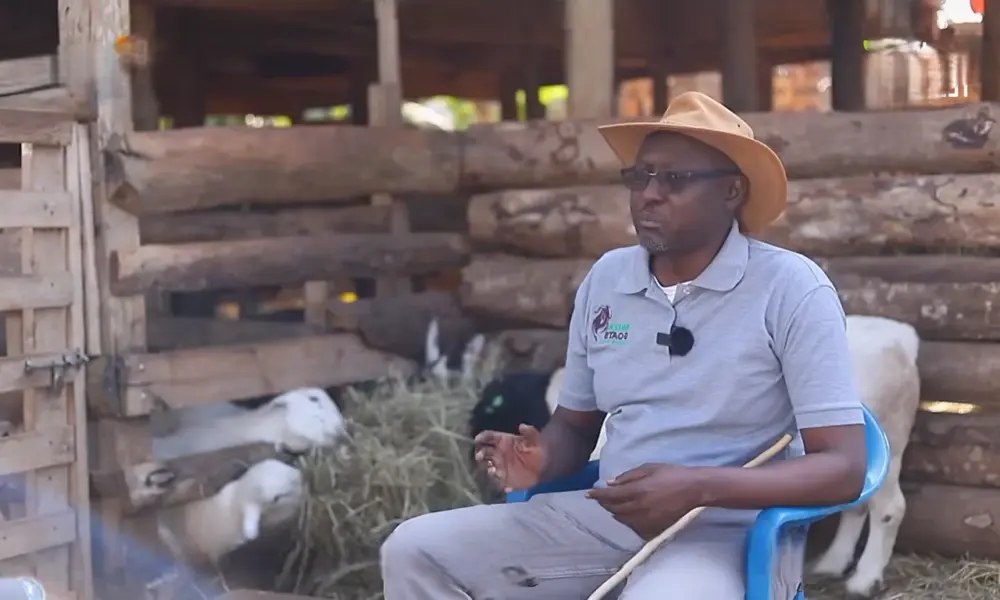
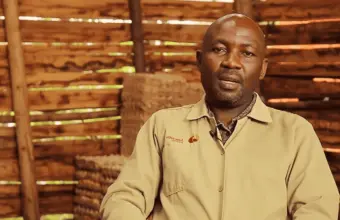
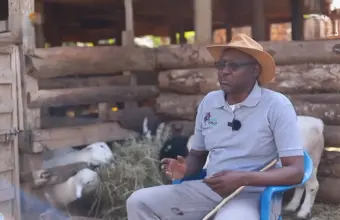
In Namubiru village, Mukono district, Kenneth Mugayehwenkyi is transforming Uganda’s livestock industry one purebred goat at a time. As CEO of Sinza Breeding Farm and Uganda’s largest private livestock importer over the past two years, Kenneth has pioneered a genetics revolution helping farmers across East Africa access world-class breeding stock for superior meat and dairy production.
Table Of Content
- From Crossbreeds to Purebred Excellence
- World-Class Breeding Stock
- The Science of Superior Genetics
- Optimal Management Practices
- Combating Uganda’s Biggest Livestock Challenge
- Guardian Dogs: An African Innovation
- The Business of Breeding
- Regional Leadership and Market Potential
- Lessons for Aspiring Livestock Farmers
- A Vision for Uganda’s Livestock Future
From Crossbreeds to Purebred Excellence
Kenneth’s journey into professional goat and sheep breeding began unexpectedly during the COVID-19 pandemic. Unable to travel for his charity work, he focused on improving his small farm where he kept crossbreed goats. When he posted these animals on social media, they sold quickly at impressive prices, revealing a crucial insight: quality genetics command premium prices.
However, when Kenneth searched for purebred Boer goats the renowned South African meat breed across Uganda, he found only crossbreeds. Every farm claiming purebreds was selling mixed genetics. This scarcity presented both challenge and opportunity.
Determined to breed authentic purebreds, Kenneth traveled to South Africa and imported Uganda’s first genuine Boer breeding stock: one male (aptly named “Mobile Money”) and two females. The farming community’s response was overwhelming, marking the beginning of Sinza’s transformation into East Africa’s premier genetics source.
World-Class Breeding Stock
Today, Sinza Farm maintains over 80 purebred female goats and five breeding males, representing some of the finest livestock genetics in the region. Mobile Money, the flagship Boer buck, weighs approximately 100 kilograms and demonstrates exceptional breeding performance successfully breeding up to 30 females within a single month with nearly 100% conception rates.
Beyond Boer goats, Sinza experiments with Blackhead Persian goats and imports Kalahari Red and Savannah breeds for farmers seeking diversity. Recognizing dairy potential, Kenneth expanded operations to include Saanen dairy goats, with some does producing up to five liters daily surpassing many local cattle while consuming half the feed. The breeding buck, named “Trump” for his aggressive breeding drive, leads the dairy genetics program.
The farm also maintains over 40 purebred White Dorper sheep, a South African breed prized for exceptional meat quality and rapid growth rates, demonstrating remarkable feed conversion efficiency.
The Science of Superior Genetics
What distinguishes Sinza Farm is Kenneth’s rigorous approach to genetic management. Every animal has a complete pedigree documenting parents, birth date, and weight gain records. This meticulous record-keeping serves multiple critical functions.
First, it prevents inbreeding, which degrades genetic quality. Kenneth emphasizes that inbreeding, common in traditional Ugandan livestock management where males breed indiscriminately with mothers, daughters, and sisters, explains why local animals often underperform despite potentially superior genetics. By maintaining detailed pedigrees, Kenneth ensures strategic breeding that enhances desirable traits.
Second, comprehensive records enable selection for specific characteristics: growth rate, feed conversion efficiency, disease resistance, temperament, and climate adaptability. This data-driven approach accelerates genetic improvement across generations.
Third, documented lineage provides buyers transparency and confidence. Farmers purchasing from Kenneth receive certified genetics with proven performance histories.
Optimal Management Practices
Kenneth demonstrates that successful goat and sheep farming requires more than quality genetics, it demands excellence in daily management.
- Strategic Feeding: Animals receive constant access to quality hay supplemented with mixed feed containing grains, soy, and minerals. Feeding stations are elevated to accommodate goats’ natural browsing behavior, they instinctively feed with heads up rather than grazing like cattle.
- Controlled Breeding: Males and females are housed separately, allowing precise control over which animals breed and when. This enables strategic genetic matching and seasonal breeding timed to favorable dry-season conditions that reduce disease pressure on newborns.
- Professional Maternity Care: Kenneth operates a dedicated maternity facility with insulated brick walls. Pregnant does and ewes move to individual birthing pens days before delivery, providing privacy for bonding and enabling close monitoring. An on-call veterinarian provides immediate assistance for complicated births, preventing numerous losses.
- Biosecurity Protocols: Visitors undergo sanitization before entry, protecting valuable breeding stock from disease introduction, reflecting best practices in commercial livestock operations worldwide.
Combating Uganda’s Biggest Livestock Challenge
Kenneth identifies parasitic worms as the single greatest threat to goat and sheep farming in Uganda, responsible for over 50% of livestock losses. Uganda’s humid climate creates ideal conditions for gastrointestinal parasites that cause malnutrition, anemia, and death.
Traditional routine deworming proves inadequate because animals constantly re-infect from contaminated pasture. Sinza employs multiple integrated strategies:
- Elevated Feeding: Providing hay and elevated browse rather than ground-level grazing reduces parasite exposure since worm larvae concentrate at ground level.
- Pasture Rotation: After deworming, goats move to clean pasture while previously occupied areas are treated with agricultural lime (killing parasite eggs through high pH) and left vacant for weeks, breaking the parasite lifecycle.
- Genetic Selection: Sinza selects animals demonstrating natural parasite resistance, individuals maintaining health despite parasite pressure. Over generations, this builds inherently resistant herds.
- Tick Control: Weekly spraying prevents tick-borne diseases, including heartwater, which can devastate flocks.
Guardian Dogs: An African Innovation
In a groundbreaking move for East African livestock farming, Sinza has imported Anatolian Shepherd dogs. These livestock guardian breeds bond with and protect sheep and goat flocks, living permanently with their charges and adopting them as family. They fearlessly defend against threats from human thieves to wild predators, proven effective against animals as formidable as cheetahs.
Kenneth envisions making these guardian dogs available to farmers purchasing breeding stock, providing comprehensive livestock protection solutions.
The Business of Breeding
Sinza operates on a clear business model distinguishing breeding stock from meat production. At eight months, when animals reach 60% of mature body weight and breeding maturity, Sinza offers males at three million Ugandan shillings and females at two million shillings.
While these prices exceed local market rates, Kenneth emphasizes a critical distinction: Sinza sells genetics, not meat. A farmer investing in one Sinza male can transform an entire herd through crossbreeding, dramatically improving growth rates, meat quality, and market value across dozens of offspring. The return on investment comes through enhanced productivity across entire operations.
Currently, importing remains most profitable due to quick turnover. However, Kenneth’s long-term vision focuses on sustainable local production. Import costs, freight, veterinary inspections, international logistics, account for approximately half of imported animal prices. By producing purebreds domestically, Sinza offers superior genetics at half the import price, making genetic improvement accessible to more farmers.
With over 100 farmers across Uganda now producing quality breeding stock thanks to Sinza’s genetics program, the country approaches self-sufficiency in premium goat and sheep genetics.
Regional Leadership and Market Potential
Sinza’s impact extends beyond Uganda’s borders. Kenneth receives daily inquiries from Kenya, Tanzania, Democratic Republic of Congo, and Rwanda. East Africa’s growing middle class demands quality meat, and Uganda’s favorable climate positions it as the region’s premier livestock genetics hub.
Lessons for Aspiring Livestock Farmers
Kenneth’s success offers valuable lessons for commercial goat and sheep farming:
- Proximity Matters: Kenneth lives five minutes from his farm, enabling hands-on supervision. He cautions against “telephone farming” absentee ownership where urban professionals manage remotely from Kampala. Quality livestock farming requires daily attention to feeding, health monitoring, and breeding management.
- Genetics Are Foundation: Starting with superior genetics creates the foundation for profitable operations. Crossbreeds and low-quality stock limit potential regardless of management excellence.
- Record-Keeping Drives Improvement: Detailed records enable informed decisions about breeding, culling, feeding, and health management.
- Prevention Over Treatment: Proactive parasite control, biosecurity, and veterinary care prevent problems rather than reacting to crises.
- Market Knowledge: Understanding whether you’re producing meat or genetics determines pricing, marketing strategies, and profitability.
A Vision for Uganda’s Livestock Future
Kenneth Mugayehwenkyi’s work at Sinza Breeding Farm demonstrates Uganda’s enormous potential as a regional livestock powerhouse. With balanced weather, abundant feed resources, and growing market demand, both meat and dairy livestock production can drive national prosperity.
The genetics revolution Sinza pioneered is democratizing access to world-class breeding stock. As more farmers invest in quality genetics and adopt improved management practices, Uganda’s livestock sector transforms from subsistence production to commercial excellence.
For farmers ready to enter or upgrade goat and sheep operations, Sinza Farm offers more than breeding stock, it provides proven genetics, expert guidance, and connection to a growing network of professional livestock producers across East Africa.
The future of Uganda’s livestock industry is being written today, one purebred animal at a time, in the pastures of Sinza Breeding Farm.
Kenneth represents the core of Africa Agricultural Network’s mandate and we wish all the best in his endeavors
Watch his interview video here:


Thanks for letting us know better and good agricultural knowledge beyond our areas of residence. Am from Kasese, such no where to be seen.