
Understanding the Africa Agricultural Network Mandate.
Africa’s agriculture doesn’t lack potential — it lacks access to practical, trusted knowledge. Africa Agricultural Network exists to close that gap by making agricultural information visible,...

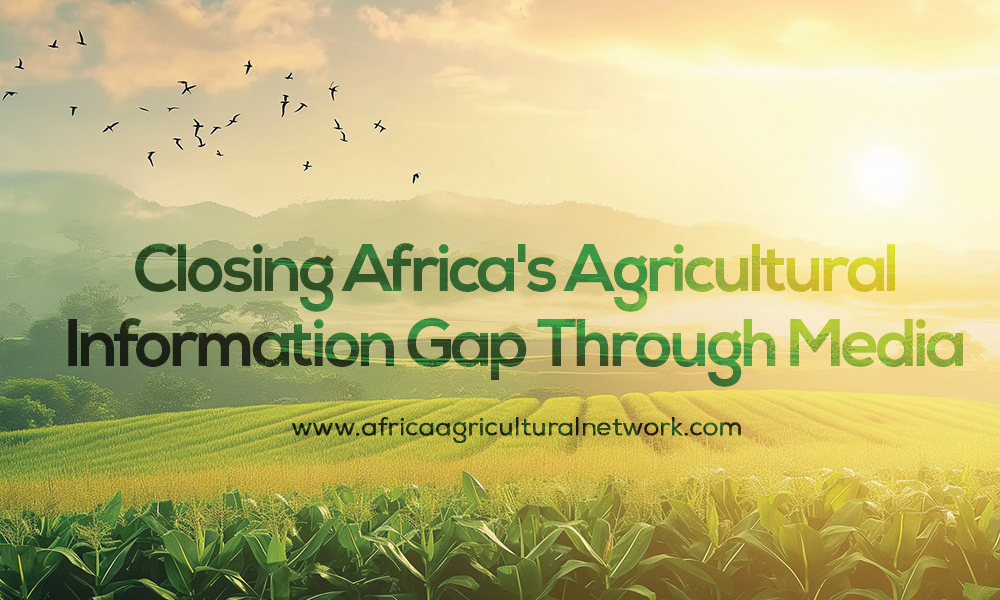
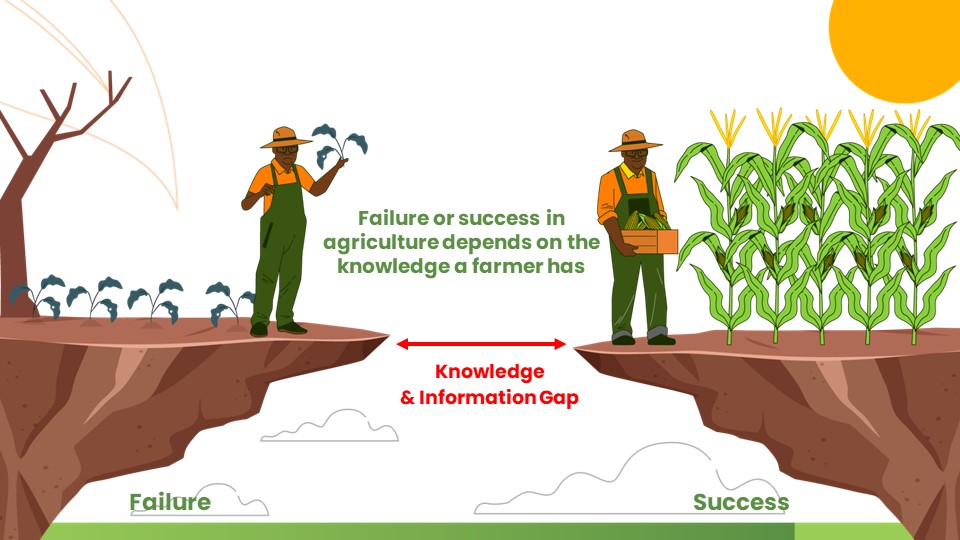
Africa’s agriculture sector employs over 60% of the continent’s population and produces the food that feeds more than 1.4 billion people. Yet despite its importance, African agriculture continues to suffer from one of its most persistent challenges: a deep and costly knowledge gap. According to the World Bank, productivity across Sub-Saharan Africa remains far below global averages due largely to weak access to information, technology, and markets.
Table Of Content
At every level of the value chain — from smallholder farmers to agripreneurs and agritech startups — lack of access to timely, practical, and reliable information leads to low productivity, post-harvest losses, poor market access, and missed investment opportunities. The Food and Agriculture Organization (FAO) estimates that up to 40% of food produced in Africa is lost after harvest due to poor storage, handling, and logistics — problems that better knowledge and systems can significantly reduce.
At the same time, agripreneurs and agritech startups face their own knowledge challenges: unclear regulatory pathways, limited visibility, weak storytelling, and poor access to networks, data, and capital. According to GSMA’s Mobile for Development program, digital agriculture solutions in Africa often fail to scale not because they lack innovation, but because they lack distribution, trust, and ecosystem visibility.
AAN’s Mandate: Visibility, Knowledge, and Connection!
Africa Agricultural Network (AAN) was created to address exactly this problem.
AAN’s mandate is to:
✔ Make agricultural knowledge visible
✔ Make innovation understandable
✔ Make opportunity accessible
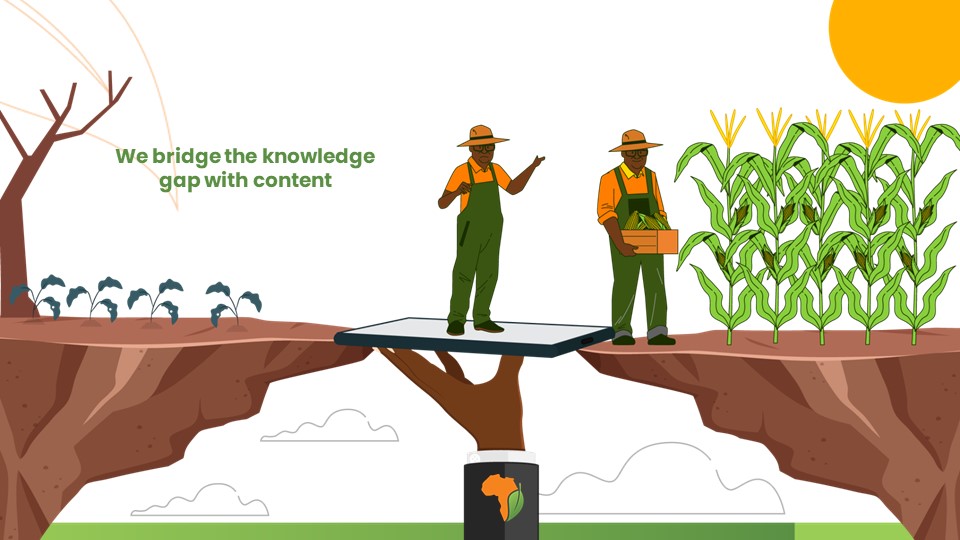
We do this by building a pan-African media, publishing, and knowledge ecosystem that tells stories, teaches skills, and connects people across the entire agricultural value chain.
Tech-Savvy Living: How Smartphones Are Revolutionizing the Home and Personal Spaces.
Closing the Gap for Farmers
For farmers, AAN uses video, articles, and digital courses to translate complex agricultural practices into practical, step-by-step knowledge they can apply in the field. Research from AGRA (Alliance for a Green Revolution in Africa) shows that when farmers receive timely information and training, yields and incomes can increase significantly across staple and high-value crops.
From poultry and piggery to horticulture and dairy, AAN’s content is designed to:
• Improve production and management skills
• Reduce losses and inefficiencies
• Increase income and sustainability
When farmers understand why something works — not just how — they make better decisions, take fewer risks, and grow stronger businesses.
Closing the Gap for Agripreneurs & Agritech!
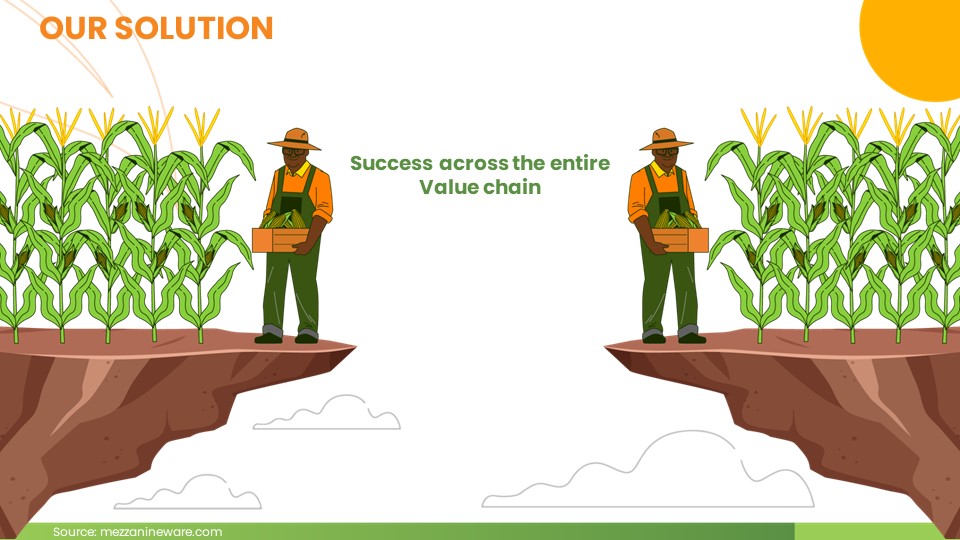
For founders and innovators, AAN provides visibility and narrative power.
Through initiatives like Women in Agriculture, AgriPitch Africa, and Agri Spotlight, AAN gives agribusinesses and startups a professional stage to explain their ideas clearly and build trust with audiences and partners. CGIAR – Agricultural Research & Innovation in Africa emphasizes that innovation in African agriculture only scales when knowledge systems and networks support it.
Innovation doesn’t scale in silence. It scales when people understand it, believe in it, and can find it.
From Media to Infrastructure
AAN is not just a content brand — it is building Africa’s agriculture knowledge and connectivity infrastructure.
By combining:
- Media & storytelling
- Digital education
- Founder visibility
- Data & directories
- Community & partnerships
AAN is creating a system where knowledge moves faster than problems.
Why This Matters
When farmers have better knowledge, they waste less and earn more.
When startups have better visibility, they grow faster.
When ecosystems have better information flow, capital, innovation, and opportunity follow.
Africa does not lack potential.
Africa lacks accessible, connected, and trusted knowledge systems.
That is the gap Africa Agricultural Network exists to close.
No Comment! Be the first one.