

Kenya’s “Paid Sick Leave for Cows” Campaign Transforms Dairy Farming, Wins Prestigious Cannes Lions Grand Prix
Kenya’s dairy industry has captured global attention after an innovative initiative dubbed “Paid Sick Leave for Cows” won the prestigious Grand Prix in the Sustainable Development Goals category at...

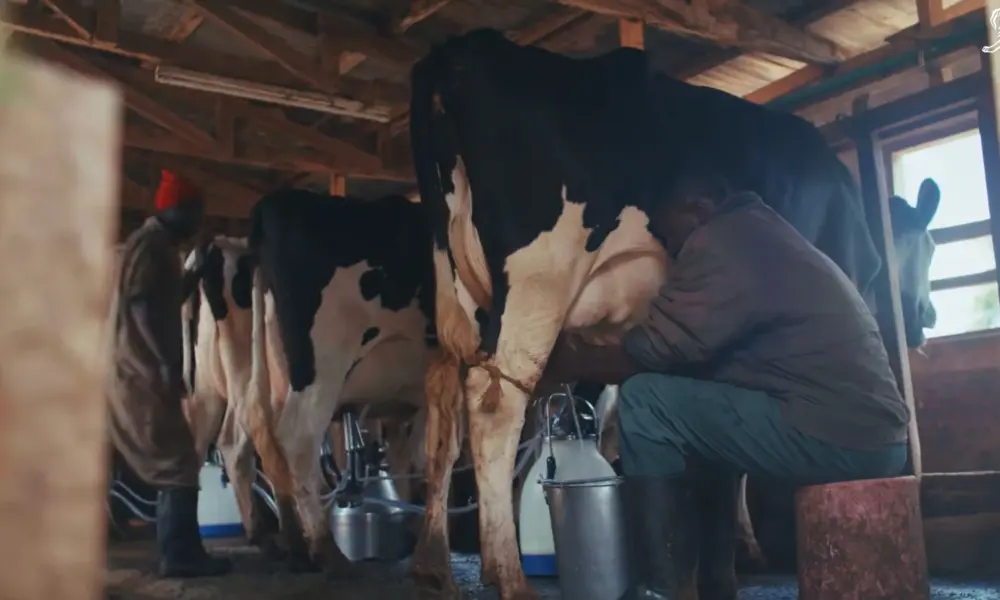
Kenya’s dairy industry has captured global attention after an innovative initiative dubbed “Paid Sick Leave for Cows” won the prestigious Grand Prix in the Sustainable Development Goals category at the 2026 Cannes Lions International Festival of Creativity. While the recognition marks a historic milestone for Kenya’s creative industry, agricultural experts argue that the campaign’s greatest achievement lies in addressing a long-standing challenge facing dairy farmers antibiotic contamination in milk.
Table Of Content
The initiative, developed by The Partnership Agency, for the Kenyan dairy brand Too Good seeks to protect both farmers’ livelihoods and consumer health. Specifically, the programme compensates farmers whenever cows are under antibiotic treatment and their milk cannot be sold during the mandatory withdrawal period.
As a result, farmers are no longer forced to choose between losing income and adhering to food safety standards. Consequently, the programme has emerged as a model for sustainable dairy farming not only in Kenya but potentially across Africa.
Why Antibiotic Withdrawal Matters in Dairy Farming
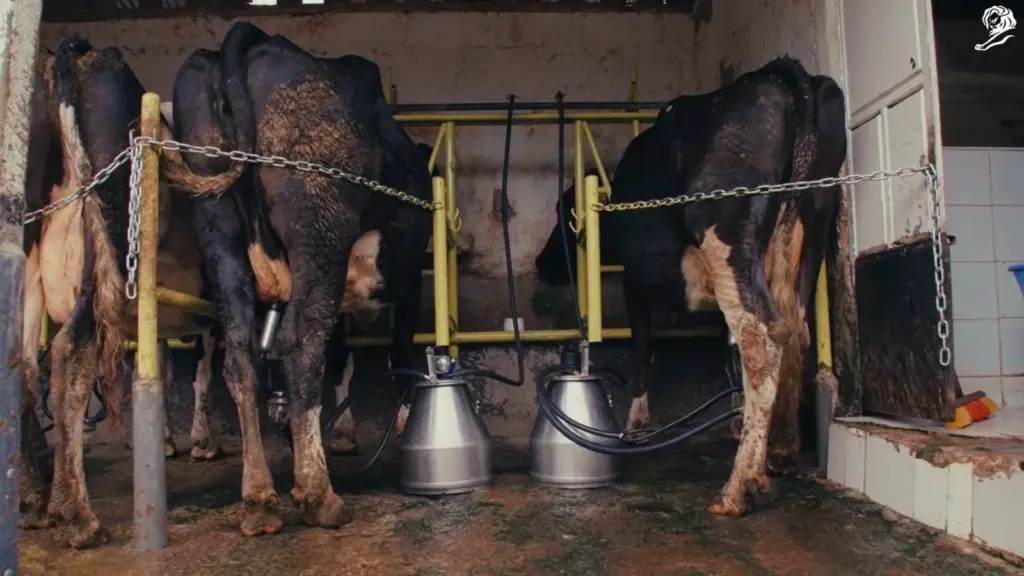
In dairy production, cows suffering from diseases such as mastitis, respiratory infections or other bacterial illnesses are often treated with antibiotics. However, after treatment, farmers must observe a withdrawal period during which milk from treated animals cannot be sold or consumed.
Depending on the medication used, this period can last between three and seven days or even longer. During this time, the milk must be discarded to prevent antibiotic residues from entering the food chain.
For many smallholder farmers in Kenya, who produce more than 70 percent of the country’s milk, discarding milk translates into significant financial losses. Therefore, some producers may be tempted to sell milk before the withdrawal period ends, thereby exposing consumers to contaminated products. Research shows that antibiotic residues in milk can contribute to antimicrobial resistance (AMR), one of the world’s growing public health threats. Additionally, residues can interfere with dairy processing by affecting the fermentation process used in yoghurt and cheese production.
How the Paid Sick Leave for Cows Programme Works
The initiative borrows from traditional labour protection systems. In most sectors, employees who fall ill are entitled to paid sick leave. Similarly, Too Good treats dairy cows as economic workers whose temporary illness should not financially disadvantage farmers.
Under the programme, farmers register their dairy cows and submit veterinary documentation through WhatsApp whenever an animal requires antibiotic treatment. Thereafter, the company verifies the information and compensates farmers for the milk income lost during the withdrawal period.
Importantly, this approach removes the economic pressure that often encourages unsafe milk sales. Instead of penalising farmers for following food safety regulations, the programme rewards responsible behaviour.
According to campaign reports, the initiative returned approximately US$27,000 to farmers during its first eight months of implementation. Furthermore, milk rejection rates reportedly dropped to nearly zero, demonstrating the effectiveness of aligning farmer incentives with food safety objectives.
Implications for Kenya Dairy Farmers
Kenya remains East Africa’s leading milk producer, with annual production estimated at more than 5 billion litres. Nevertheless, the sector continues to face multiple challenges, including animal diseases, rising feed costs, climate variability and fluctuating farm-gate milk prices.
Animal health problems, particularly mastitis, remain among the leading causes of antibiotic use in dairy herds worldwide. Mastitis not only reduces milk yields but also lowers milk quality and increases treatment costs. Consequently, farmers often experience substantial economic losses when animals become sick.
By cushioning farmers against these losses, the paid sick leave initiative encourages timely treatment of sick animals. In turn, healthier animals are likely to produce more milk over their productive lifetime. Moreover, farmers become more willing to seek veterinary services promptly rather than delaying treatment because of financial concerns.
Agricultural specialists note that such innovations could significantly strengthen disease management across Africa’s dairy sector while simultaneously improving farmer incomes.
Strengthening Food Safety and Consumer Confidence
Food safety has become increasingly important in modern dairy value chains. Consumers are demanding safer and more traceable food products, while regulators are tightening standards governing milk quality.
Consequently, dairy processors are under growing pressure to ensure that milk entering processing facilities is free from antibiotic residues.
The Paid Sick Leave for Cows initiative addresses this challenge by creating transparency throughout the supply chain. Rather than concealing contamination, farmers are encouraged to report illness and comply fully with withdrawal guidelines.
As a result, processors receive safer milk, consumers gain confidence in dairy products and farmers maintain stable incomes. This creates a win-win situation for every actor within the dairy ecosystem.
A Sustainable Model for Africa’s Dairy Industry
The programme’s international recognition culminated in Kenya winning its first-ever Cannes Lions Grand Prix and Africa’s only Grand Prix award in 2026. Judges praised the initiative for creating lasting systemic change rather than merely raising awareness.
Beyond the award, however, the initiative demonstrates that sustainable agriculture extends beyond environmental conservation. It equally involves protecting farmer livelihoods, promoting animal welfare and safeguarding public health.
As African countries seek to modernise their dairy sectors, similar compensation mechanisms could help reduce antibiotic misuse, improve milk quality and strengthen market competitiveness. Furthermore, digital technologies such as WhatsApp provide practical and affordable tools for scaling such interventions among smallholder farmers.
Ultimately, Kenya’s Paid Sick Leave for Cows initiative illustrates that when farmers are supported to do the right thing, the entire agricultural system benefits. Healthier cows, safer milk and more resilient farming households may well define the future of sustainable dairy production across Africa.
Watch the Campaign Highlight Video
Disclaimer
Africa Agricultural Network (AAN) is committed to informing and empowering agricultural communities across Africa as per our mandate. This article is intended for informational purposes only.
No Comment! Be the first one.