
CFC Grants: Funding Opportunities for Smallholder Farmers in 2026
Discover CFC grant funding for smallholder farmers. Learn about eligibility, priority areas, and how to apply before the April 1, 2026 deadline for sustainable agriculture projects

Introduction
The Common Fund for Commodities (CFC) is offering grants to people and organizations doing incredible work in agriculture. Whether you’re growing crops, supporting farmers, or building sustainable food systems, this could be exactly what you’ve been waiting for.
Table Of Content
Who should apply?
Well, if you tick any of these boxes, keep reading:
- You’re running a small or medium business (SME) that works with farmers
- You’re part of a cooperative or social enterprise in agriculture
- Your NGO supports smallholder farmers
- You work in the public or private sector on agricultural projects
- Your organization has been operating for at least 3 years
What Kind of Projects Are They Looking For?
The CFC wants to fund projects that help farmers earn better incomes while protecting the environment. Think of it as a win-win: good for farmers, good for the planet.
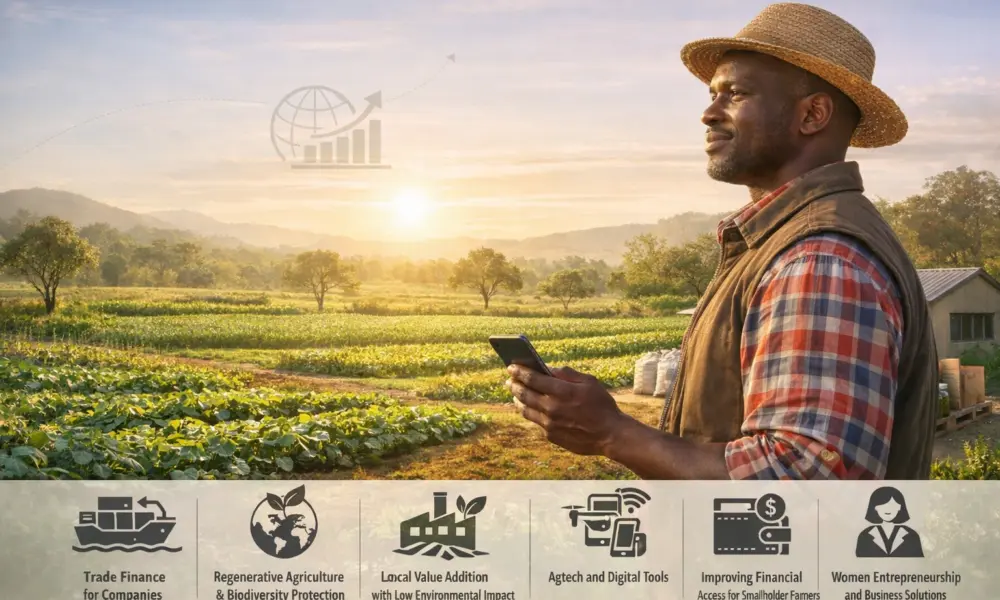
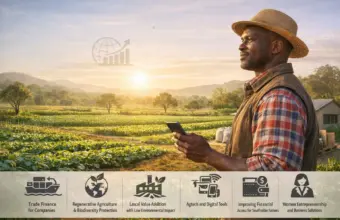
Here are the 6 main areas they’re excited about:
1. Connecting Farmers to Big Markets
Imagine helping smallholder farmers sell their products internationally. That’s what trade finance projects do, they bridge the gap between local farms and global buyers.
2. Farming That Heals the Land
Instead of farming methods that exhaust the soil, the CFC supports regenerative agriculture. These are techniques that actually restore ecosystems while growing food. Pretty cool, right?
3. Processing Products Locally
Why ship raw materials away when you can add value right in your community? Projects that help farmers process, package, and brand their products locally are exactly what the CFC wants to see.
4. Tech Solutions for Farmers
From apps that connect farmers to markets, to digital tools that make farming easier, technology projects that benefit smallholders are high on the priority list.
5. Getting Farmers Access to Money
Many smallholder farmers can’t grow their businesses simply because they can’t access loans or financial services. If your project solves this problem, you’re onto something.
6. Supporting Women in Agriculture
Projects led by women or that specifically help women farmers succeed get special attention. Gender equality in farming isn’t just fair, it’s smart business.
Some Regions Get Extra Love
If you’re working in the Congo Basin region (that’s Cameroon, Central African Republic, DRC, Equatorial Guinea, Gabon, or Republic of Congo), the CFC really wants to hear from you, especially if your project involves sustainable forest use.
Also, if you’re in a Least Developed Country (LDC), Landlocked Developing Country (LLDC), or Small Island Developing State (SIDS), your application gets bumped up the priority list.
What’s the CFC Really About?
At the end of the day, the CFC believes farming communities shouldn’t just survive, they should thrive. They fund projects where:
- Farmers actually make good money
- The environment gets better, not worse
- Communities grow stronger together
- Technology works for people, not against them
It’s not just about handing out money. It’s about building systems where everyone wins: the farmers, the land, the communities, and yes, even the businesses involved.
How to Apply and Next Steps
Organizations and individuals interested in this funding opportunity should prepare comprehensive proposals that demonstrate:
- How your project aligns with what the CFC is looking for
- That your project can actually sustain itself financially
- The real impact you’ll have on farmers’ lives
- Your track record and experience
For any queries regarding the application process, interested parties can reach out to opencall@common-fund.org. Additionally, the complete list of CFC member countries is available on the organization’s website.
Application Deadline: April 1, 2026
AAN Insight: Why This Matters for Africa
For African agribusinesses and rural service innovators, this challenge offers more than funding. It provides a pathway into global partnerships that can help move solutions from pilot stage to broader adoption. With growing pressure on food systems and climate resilience, opportunities like this are increasingly important for scaling homegrown innovation & align with our mandate.


Looking for funding