



This business sets up farms for People too busy to do it themselves
Meet Gerald, an agribusiness entrepreneur transforming Uganda's smallholder farming through modern farm setup, irrigation & technical support.

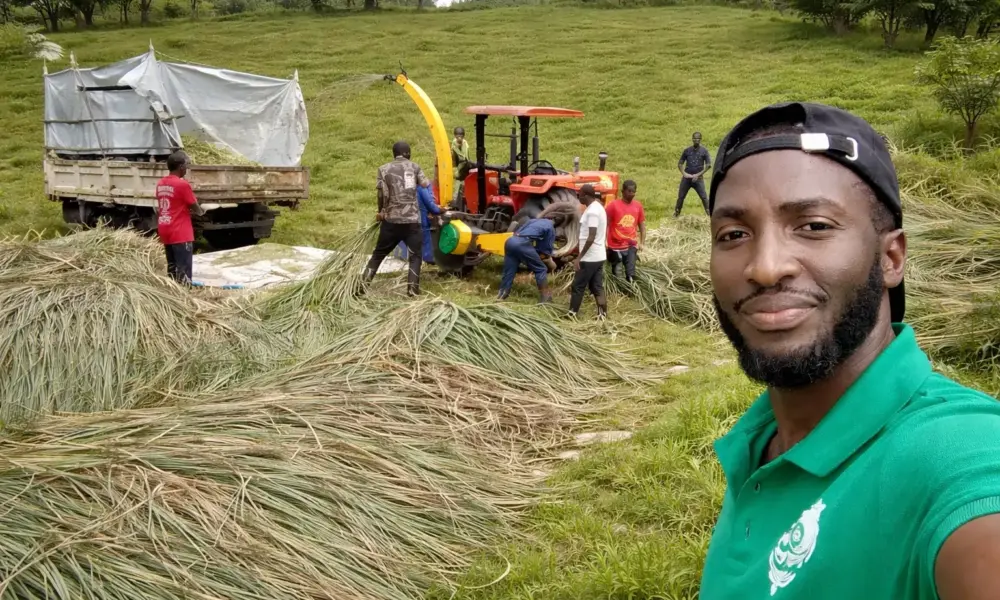
Introduction
In Uganda, 35% of employable citizens work in agriculture, yet most farmers still rely on traditional methods like hoes and watering cans. Nazareth Agribusiness Solutions Ltd is changing this narrative. Founded in 2018 by a young agricultural graduate who left teaching to directly impact farming communities, this company is bridging the critical knowledge gap between modern agricultural technology and traditional farming practices.
Table Of Content
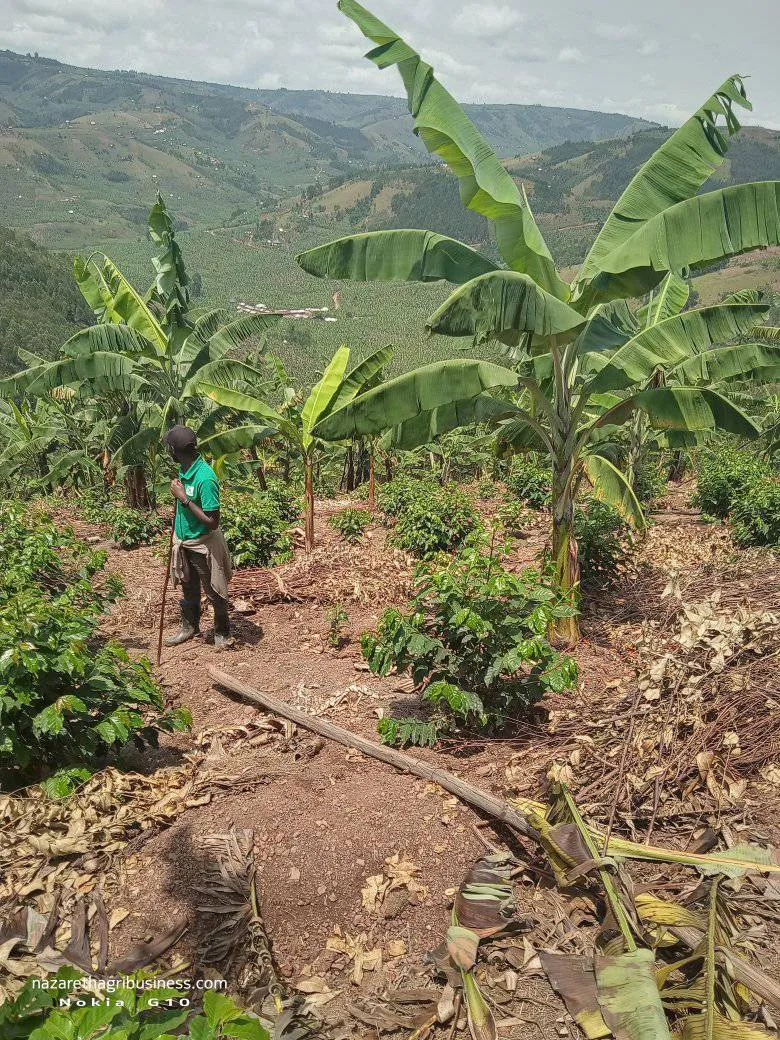
Operating primarily in Western and Central Uganda, Nazareth provides farm establishment services, irrigation systems, and ongoing technical support to smallholder farmers growing coffee, cocoa, bananas, and animal pastures. Their unique extension approach brings agronomists directly to farmers’ fields rather than requiring farmers to seek consultancy services in town.
Inside Nazareth Agribusiness Solutions
Q: What made you realize you wanted to go into agribusiness?
A: I grew up in a farming community where I saw people thriving in agriculture. However, they were using traditional approaches, hoes and manual labor. There are lots of opportunities, but with limited technology and knowledge gaps everywhere.
With my training from both Uganda and Israel, I thought I could make a difference. I could help people farm in a modern way, in a profitable way. Most people see farming as dirty work, so we wanted to show that farming can be done professionally and lucratively. That’s why I ventured into agribusiness and started this company.
Q: Was there a pivotal moment or challenge that shaped your business?
A: There’s a huge knowledge gap in the farming community. The tomatoes grown 20 years ago aren’t the same varieties we grow now. The technology has changed tractors, irrigation systems, everything. But my father in the village isn’t aware of how to operate these things.
He needs someone like me to come in, train, and offer technical support on how to use them, how to grow crops, how to find markets. That gap is what allows us to exist and breathe in the agricultural ecosystem. It’s one of the pivotal things we address.
Q: What challenges have you faced that made you want to give up?
A: When starting, government policies were very hectic. There are many taxes imposed on products we use. For example, we install irrigation systems, but the taxes on importing equipment are extremely high. Then there’s registration with the Ministry of Agriculture,lots of bureaucracy, and systems aren’t clear.
Farmers don’t farm in town either. They’re 300-400 kilometers away from major towns. You have to travel long distances over poor roads to reach them. It’s very tedious, but regardless, we move on.
Q: What were you doing before starting Nazareth?
A: I taught agriculture in an institution. However, I felt like I was addressing the wrong people. From the beginning, I wanted to impact farming communities, not students who would just get trained and leave without practicing agriculture.
I was teaching, but the target people weren’t right. So I left and started this company when I was 25. We’ve been expanding and working all around since then.
Q: Tell us what Nazareth does. What products and services do you offer?
A: Nazareth has been operating for six years now. We focus on three main service areas to fix the technical knowledge gap in farming communities.
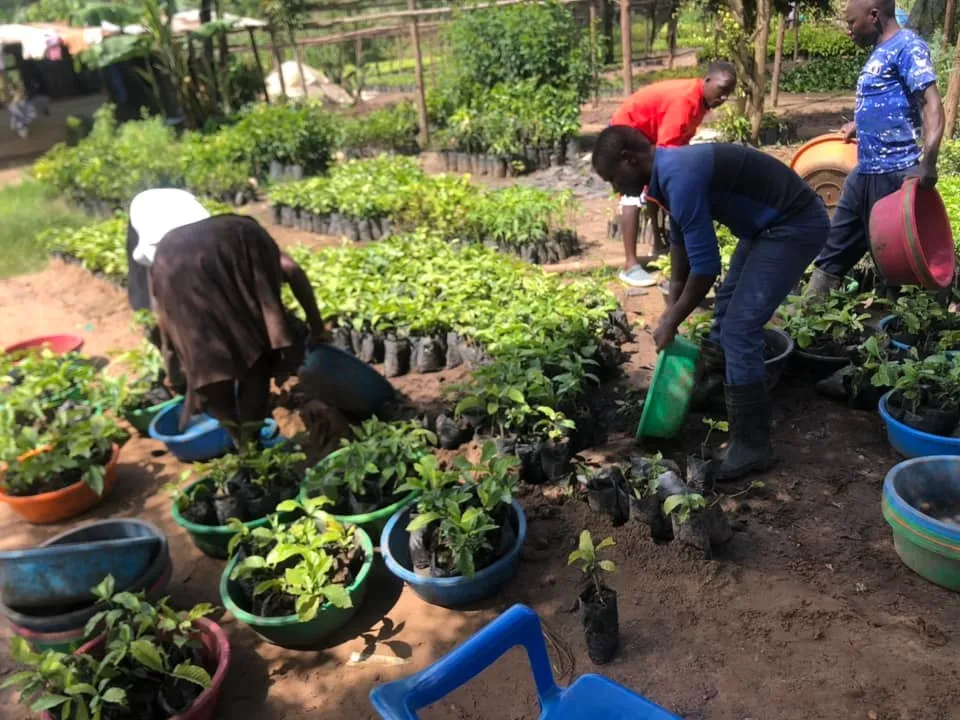
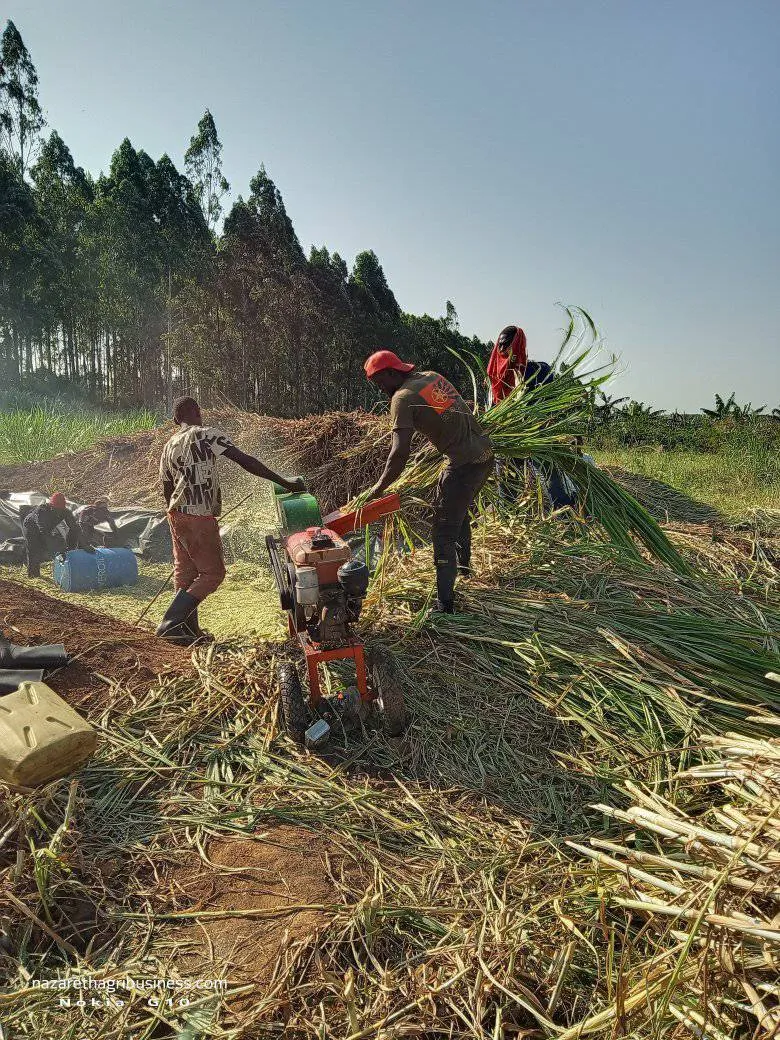
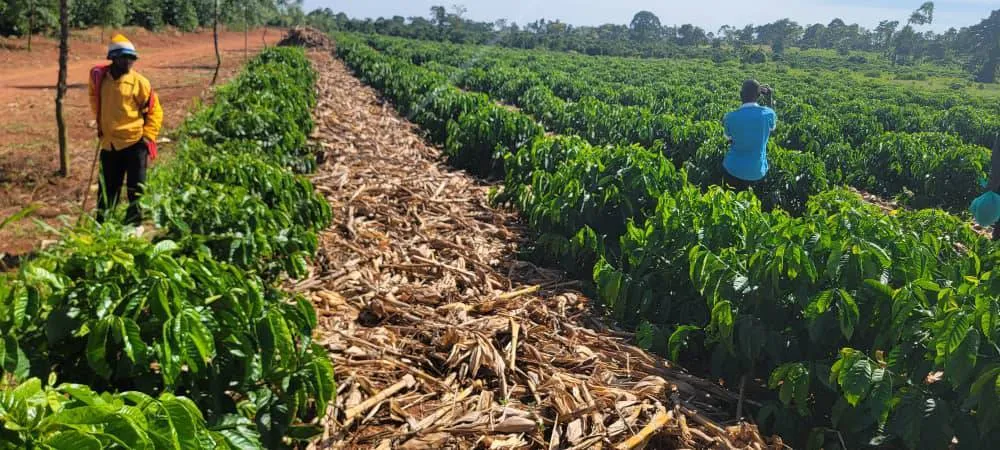
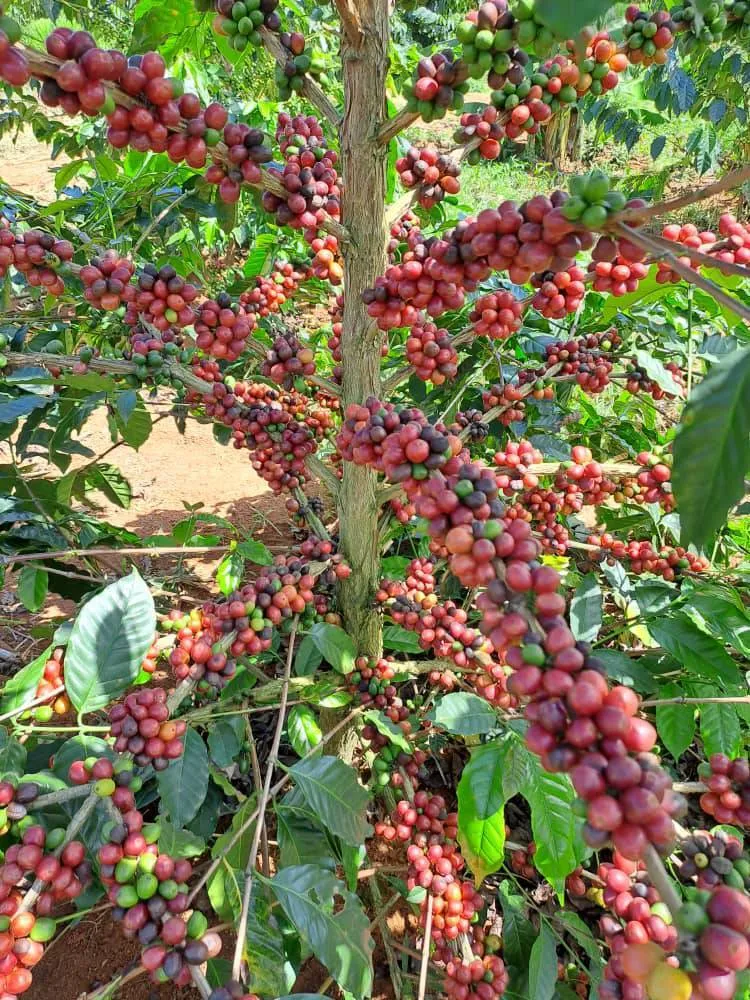
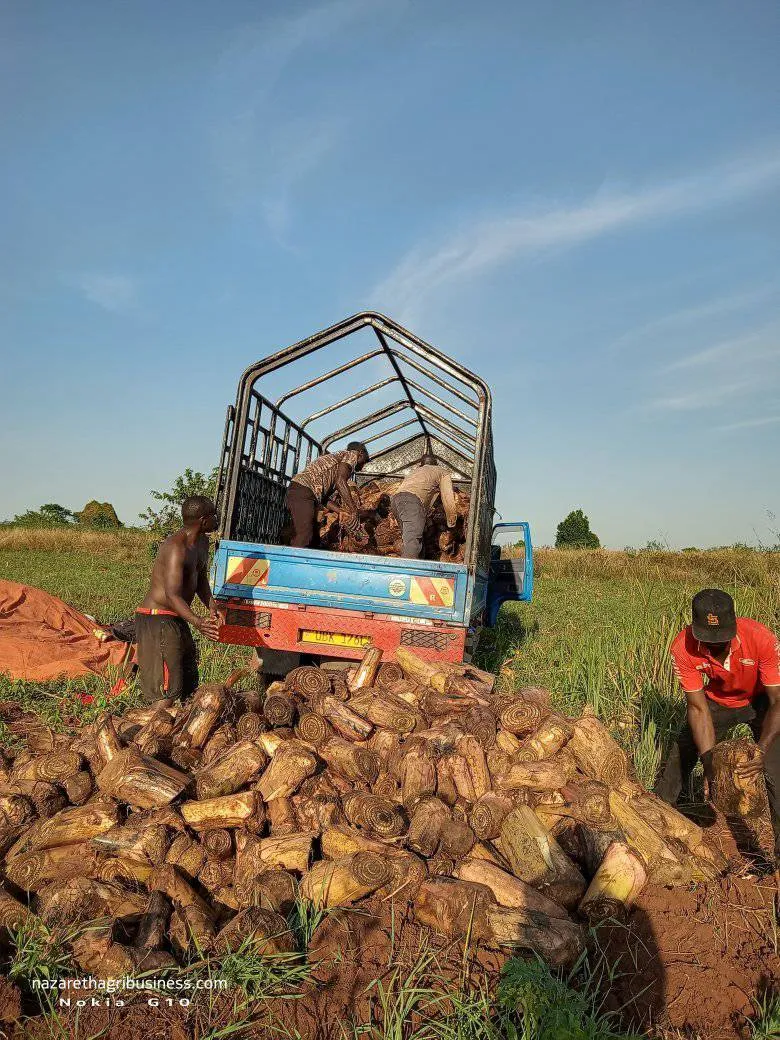
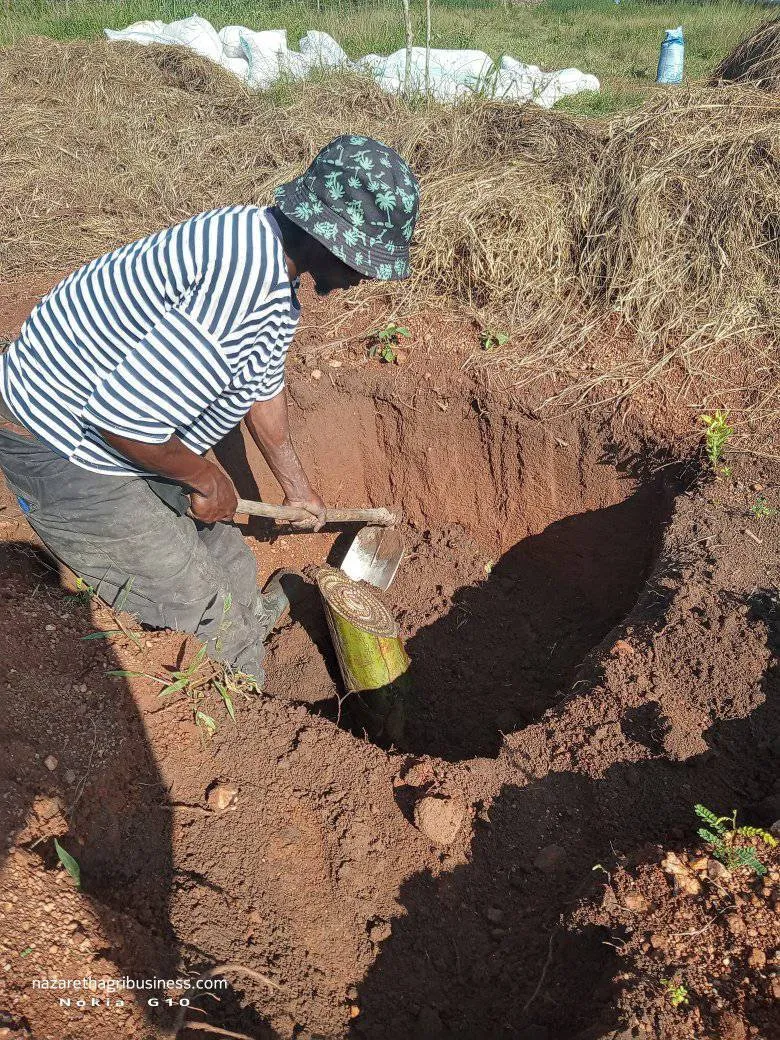
First, farm establishment services. Many people don’t have time to attend to their farms or plant coffee properly. We come in and establish those farms for them. We focus on coffee, cocoa, bananas, napier grass, and animal pastures.
Second, irrigation systems. We sell and install irrigation equipment. Recently, we started a new company called RainTech Irrigation Hub specifically for this. You can find us online.
Third, we sell agricultural inputs, coffee seedlings, animal pasture planting materials, and seedlings for those planting in southwestern Uganda.
Lastly, we offer agronomy support services. We’re private agronomists for our farmers, supporting them with technical advice and chemical supplies. Discover irrigation systems for farming
Q: What’s your operational scale and reach?
A: We started with Western Uganda farmers. In the first year, we eventually expanded. We’ve been active in Western and Central regions primarily, with two clients in Northern Uganda. We haven’t worked extensively in Eastern Uganda yet, but we’re active and serving many farmers in our core regions.
Q: What resources do you use in your operations?
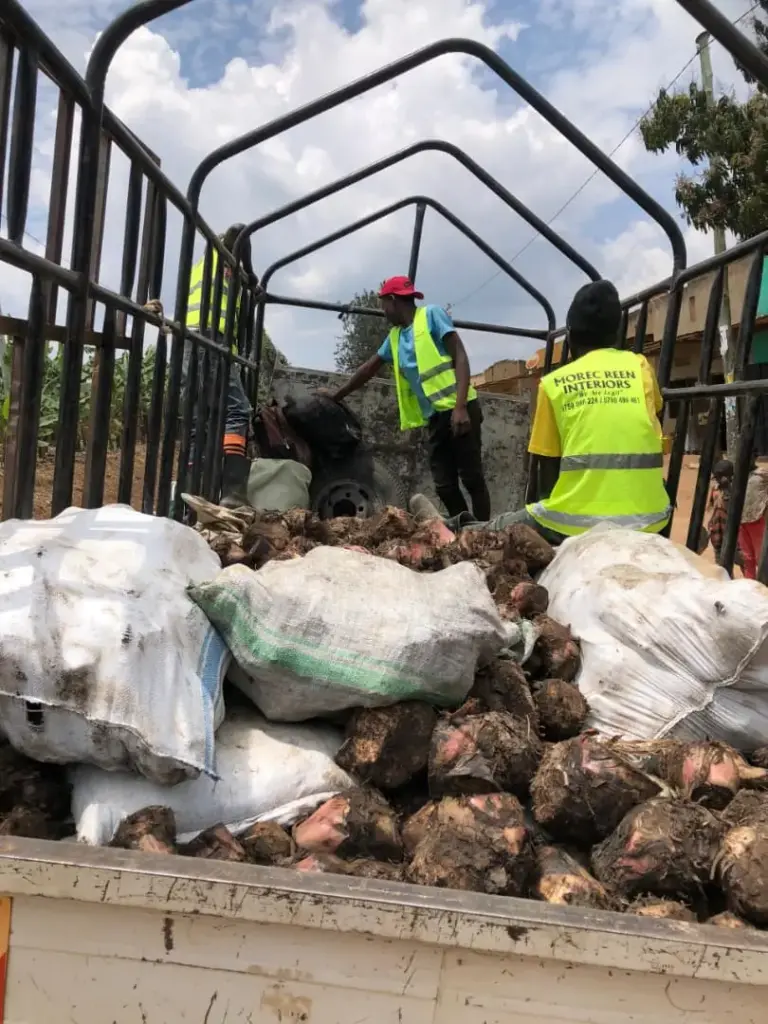
A: Our major element is human resources. We do lots of physical work both technical and manual labor. We use many local materials for our operations, including manure and other farming inputs. Beyond that, we buy and sell agricultural products as needed.
Q: What exact problem are you solving for farmers?
A: There are many problems in the farming community. Let me give you an example. Years ago, tomatoes were grown differently. Today, modern tomatoes are packed on trucks like sand they’re different varieties requiring different techniques.
There’s advanced technology now, but 80% of local farmers don’t know how to handle these things. They have limited knowledge about modern practices. There’s a gap in technical support in local farming communities. Whatever products we design, minus irrigation, we design them to address this knowledge gap. Read about modern farming techniques.
Q: What sets your approach apart from competitors?
A: Most companies in our space are major consultants. A farmer has to go ask them, “How can I plant my coffee?” We thought it’s important to reach farmers at their comfort. We have a team of agronomists who travel around directly to farmers.
Our approach is extension-based. We bring the service to the farmer rather than making them come to us. That’s what sets us apart.
Q: Who are your main customers and how do you generate revenue?
A: Our major customers,about 85% are smallholder farmers. We also target larger farmers, up to 100 acres, though that’s a smaller margin of our clientele.
We’re looking at coffee farmers primarily, then banana farmers and those growing napier grass. We make revenue through selling bananas, seedlings, and providing our various services.
Q: Walk us through the customer journey. How does the process work?
A: We advertise through social media and other channels. When a farmer is interested, they call in. We make an appointment and schedule a site visit.
During the visit, we assess what the farmer needs. If it’s a consultation service, we provide advice and follow up regularly on the farmer’s progress with their crops.
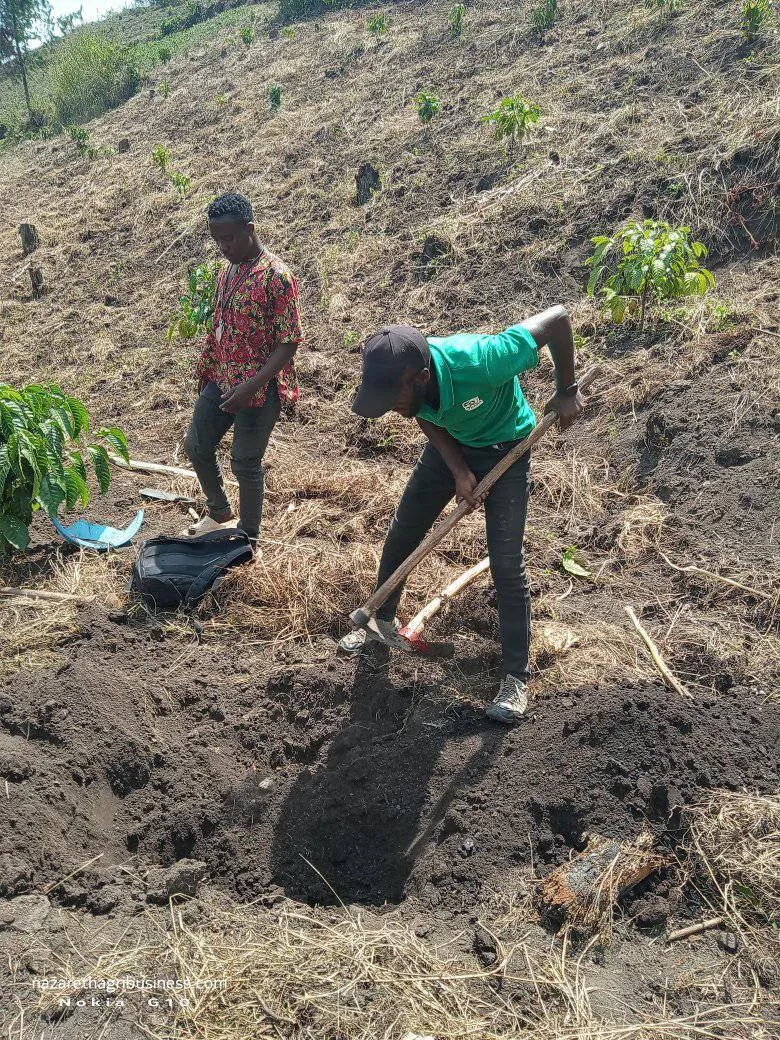
If it’s farm establishment, after agreement, we sign contracts. We possess the sites, bring our teams, start measuring land and making holes. Then we supply seedlings and manure, plant everything, and enroll the farm in our management system. We continue monitoring the project and providing ongoing support.
Q: Do you offer value-added services like processing?
A: We don’t do any processing. We don’t produce processed products or manufacture tools. Our focus is strictly on farm establishment, inputs, irrigation, and technical support services.
Q: Have you faced market challenges like price fluctuations or low-quality inputs?
A: We haven’t faced many of those issues. Perhaps three years ago, we had really poor quality and expensive fertilizer in the market. That’s the one thing we’ve occasionally faced, but overall, we’ve managed these risks well.
Q: What mistakes have you encountered, and how can other farmers avoid them?
A: It’s not necessarily our mistake, but sometimes farmers don’t manage well the projects we set up for them. These projects can fail, and we feel terrible for them. However, we’ve always tried our best to do our work perfectly.
My advice is that farmers need to take ownership and properly maintain what’s established for them.
Q: How do you ensure quality and consistency?
A: For the seedlings and materials we provide, we’ve always ensured from day one that we source raw materials from the right suppliers, in the right quantity, and delivered on time. We’ve been consistent throughout our operation, and we’ve gotten consistent results and quality that farmers have always appreciated.
Q: What are some of the client success stories you can share with us?
A: We set up a farm in Kigumba, about 17 kilometers off the Gulu-Kampala highway, and one of our agronomists recently went out there and sent me a video. When I watched it, I just smiled. The farm was planted seventeen months ago, and the way it is looking right now, it is doing very well.
What excites me most is that those are still the first branches. And they are already looking that good. So by the time the second harvest comes around, you can only imagine. That is what happens when the right suckers are put in the ground from day one. The quality of what we supply matters and that farm is the proof. But I will also say this, the client has done his part. Irrigation is set up properly, the pipes are well managed, organic manuring has been done, and weed control has been kept up. That is all his work. We brought the quality, he brought the commitment, and the result is a farm we are proud to show anyone who wants to see what we do. Watch the video here.
@farmwithnazareth ♬ original sound – FARM WITH NAZARETH 🚜🍒
Q: What has been the biggest recognition your business has received so far?
A: In 2025, we won a $20,000 grant from the National Social Security Fund(NSSF) Hi Innovator Program and honestly, that was a big moment for us. You spend years working hard, believing in what you are building, and then something like that comes through and tells you that the world is seeing it too. But what made it really meaningful was not the recognition itself, but what we were able to do with it. The money went straight into boosting production of our quality planting materials and making them more affordable for our clients. That is where the real win was.
Q: How many farmers have you served in total over the 6 years?
A: We have established 130 farms so far, planted 869,000 seedlings altogether, and installed irrigation across 180 hectares. Those are not just numbers to us; behind each one of them is a client who trusted us with their land and their investment. That is what keeps us going.
For Farmers:
- Modern agricultural technology is accessible and affordable
- Extension services can come to your farm
- Professional support makes farming more profitable
For Agri-Entrepreneurs:ms so far, planted 869,000 seedlings altogether, and installed irrigation across 180 hectares. Those are not just numbers to us, behind each one of them is a client who trusted us with their land and their investment. That is what keeps us going.
Q: What mindsets would you like to change in Uganda’s farming industry?
A: I really want our farmers to stop using hoes. I want them to go commercial. I don’t like them using watering cans, I’d prefer them using irrigation systems.
Definitely, it’s about the adoption of technology. That’s the mindset shift we need in Ugandan agriculture.
Key Takeaways
- Knowledge gaps represent business opportunities
- Extension-based models serve farmers better than office consultations
- Quality consistency builds long-term trust
For the Industry:
- Technology adoption is Uganda’s biggest agricultural need
- Smallholder farmers need hands-on support, not just advice
- Bridging knowledge gaps can transform entire communities
About Nazareth Agribusiness Solutions
Founded: 2018 (6 years in operation)
Core Services: Farm establishment, irrigation systems, agronomy support
Primary Crops: Coffee, cocoa, bananas, napier grass, animal pastures
Service Area: Western and Central Uganda
Sister Company: RainTech Irrigation Hub
Contact Nazareth Agribusiness Solutions: P
Phone number: +256774488626
Facebook page: 𝗡𝗮𝘇𝗮𝗿𝗲𝘁𝗵 𝗔𝗴𝗿𝗶𝗯𝘂𝘀𝗶𝗻𝗲𝘀𝘀 𝗦𝗼𝗹𝘂𝘁𝗶𝗼𝗻𝘀 𝗟𝘁𝗱


No Comment! Be the first one.