


Uganda’s Ankole Cattle Shines At USA,s 4th Banyankole Kweterana Convention.
For generations, Uganda’s long-horned Ankole cattle have stood for one thing: prestige. A large herd meant a wealthy family. Milk meant sustenance. The animals themselves rarely left the...

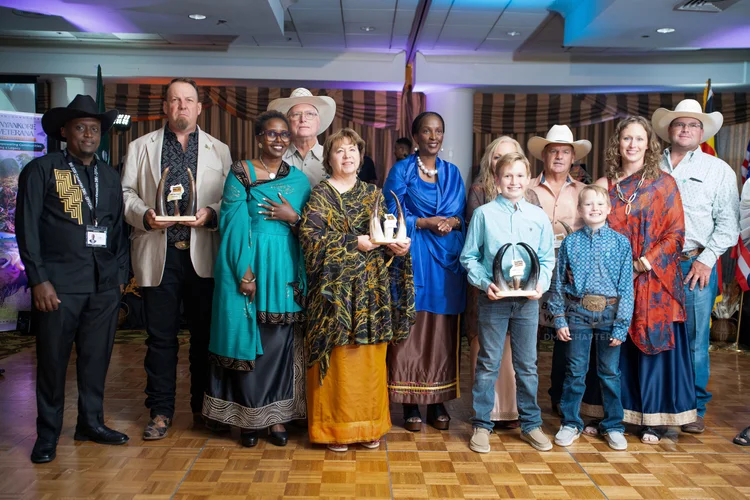
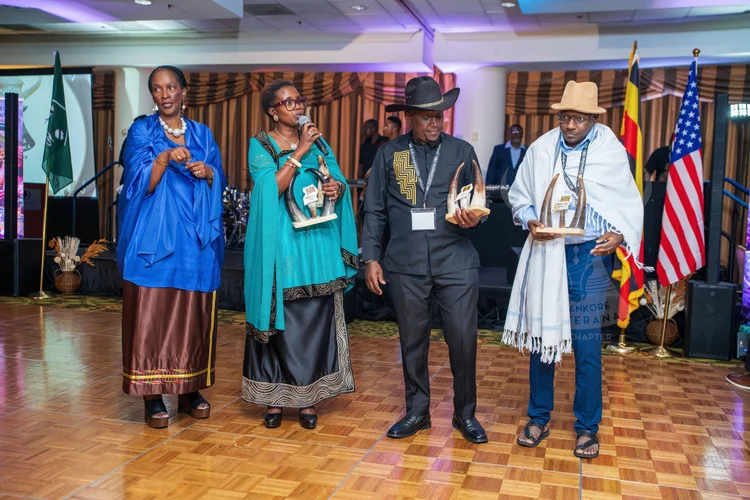
For generations, Uganda’s long-horned Ankole cattle have stood for one thing: prestige. A large herd meant a wealthy family. Milk meant sustenance. The animals themselves rarely left the village pasture. But thousands of miles away in Washington, D.C., that narrow view was firmly overturned. Diaspora Ugandans and American cattle breeders came together and made a striking case: the genetics, hides, and unmistakable horns of the Ankole represent a commercial opportunity Uganda has barely begun to explore. What has long been treated as cultural heritage, it turns out, is now being reframed as an economic asset with global reach. That conversation unfolded at the fourth annual Banyankore Kweterana International Convention, and it left one message ringing clear: Uganda may be sitting on a livestock goldmine it has yet to fully cash in on.
Table Of Content
A Convention With Commercial Intent
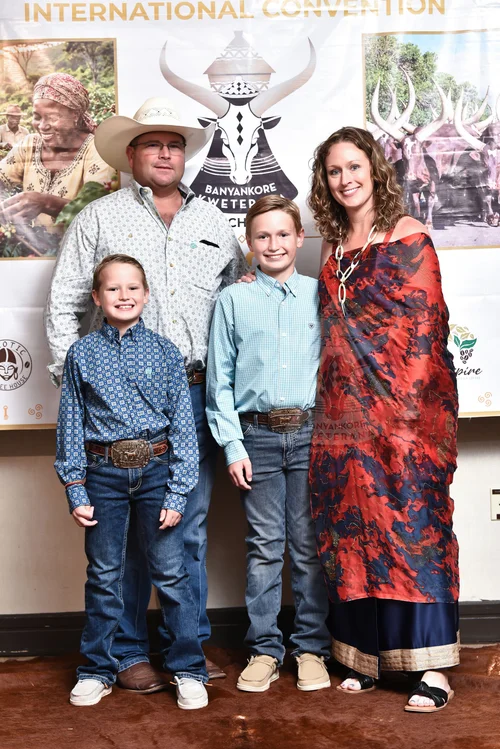
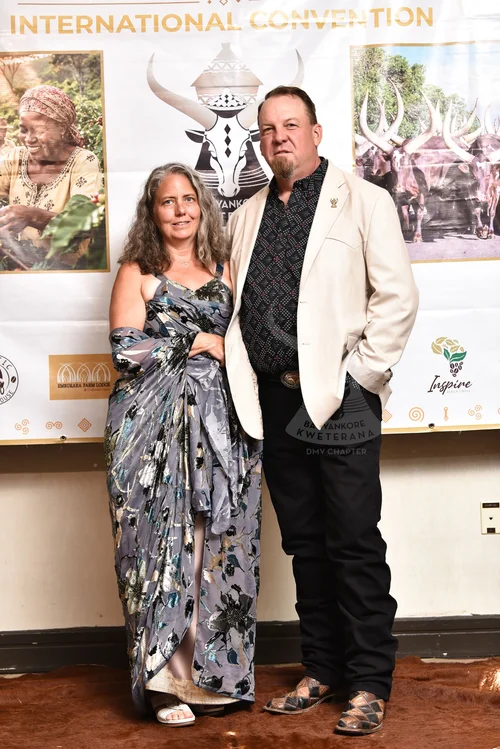
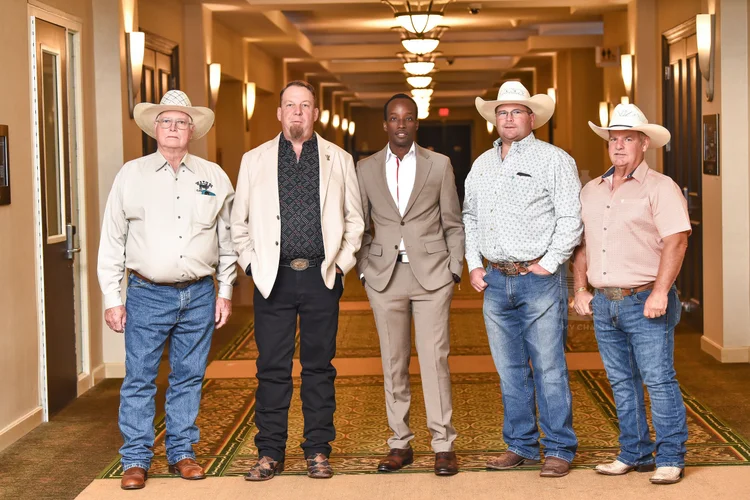
The three-day gathering, held from July 31 to August 2, pulled in more than 300 Ugandans from across the United States and Canada. It also attracted American ranchers with a genuine interest in African livestock heritage. Among them was a group of roughly ten US cattle keepers, including Blake Edwards, president of the World Watusi Association, and his vice-president, Brian Sims. Both men have spent decades raising Ankole-Watusi cattle on American soil. For them, the event offered a rare chance to meet the breed’s original custodians face to face, and to hear firsthand how the animals are still bred and valued back home.

Rethinking the Ankole Value Chain
During the convention’s trade, tourism and investment forum, moderated by businessman George Ndahendekire Ndyamuba, delegates pushed back against the idea that a cow’s worth begins and ends with live sales or beef. Instead, they walked through how nearly every part of the animal could be turned into a premium product, piece by piece.
Proposals included transforming Ankole horns into luxury jewelry, eyewear frames, cutlery, drinking tumblers, and designer home décor pieces. Hides came up too, and here the frustration was evident: much of this material is currently exported raw, at a fraction of its true value, when it could instead be processed locally into premium rugs, bags, footwear, and upholstery.
South Africa’s Example Speaks Volumes
To illustrate the scale of the opportunity, officials pointed to South Africa, where deliberate positioning of Ankole genetics has fueled a thriving luxury market. Just last month, an Ankole bull named Omega sold privately for roughly R5.5 million, about $300,000, based purely on its genetic quality and horn structure. It is a single sale, but it says a lot. Once genetics and presentation are treated as commercial assets rather than incidental traits, the value can climb fast.
Omega is not an outlier either. South Africa’s Ankole stud industry has posted similar headline numbers for years, including a bull that sold for R1.65 million in 2022 and another that fetched R3 million the year before. Breeders point to scarcity as the driver: there are only around 800 fullblood Ankole cattle in South Africa, so demand consistently outpaces supply, and a single bull now regularly outsells a house.
The lesson for Uganda is hard to ignore. South African breeders took a Ugandan-origin animal, leaned into its rarity and prestige, and built a thriving market around it. Uganda, as the breed’s ancestral home with far larger herds, has the raw material to do the same, and then some..
Turning Ranches Into Tourist Destinations
Uganda’s Ambassador to the US, Robie Kakonge, along with deputy Tayebwa Katureebe, invited American breeders to visit Uganda for direct breeder-to-breeder exchange and potential partnerships. Officials see this as more than a genetics exchange, though. They see it as a doorway into agro-tourism. Rather than relying solely on gorilla trekking and wildlife safaris, Uganda could offer farm-stay circuits in the western region, where visitors live on pastoral ranches, photograph long-horned herds, learn indigenous breeding methods, sample fresh dairy, and experience traditional cattle poetry firsthand.
The groundwork for this is already taking shape on the ground in Mbarara, Kiruhura, Bushenyi, and Ntungamo, districts often referred to as the heartland of the Ankole. At Kamihingo Agro Tourism Farm near Lake Mburo National Park, visitors already herd cattle, milk cows by hand, and learn how butter, ghee, and yoghurt are traditionally processed. Nearby, Emburara Farm Lodge has built a full eco-luxury experience around the Ankole, pairing hands-on milking sessions with evening bonfires, cultural dance, and storytelling. In Mbarara town itself, the Horns of the Cattle Monument stands as a permanent tribute to the breed’s place in local identity, while the Igongo Cultural Centre offers a deeper dive into Banyankole heritage for travelers passing through.
What is missing, delegates argued, is scale and coordination. These experiences currently run as scattered, individually owned ventures rather than a marketed national circuit. With structured investment, and the kind of diaspora and international attention the Washington convention generated, western Uganda’s cattle country could be positioned alongside the country’s national parks as a headline reason to visit, not an afterthought tacked onto a safari itinerary.
A Push for a More Business-Minded Diaspora
The forum, co-chaired by tourism advocate and former Uganda North America Association president Brenda Nangasha Demers, urged diaspora gatherings to move beyond social catch-ups toward measurable economic impact. Keynote speaker Dr Sam Muhumuza Biraro, a Boeing director tied to the Uganda Airlines transaction, echoed that call, encouraging attendees to put diaspora networks to work for institutional growth back home.
Disclaimer
Africa Agricultural Network (AAN) is committed to informing and empowering agricultural communities across Africa as per our mandate. This article is intended for informational purposes only. We recommend you verify with Banyankore Kwetarana website .


No Comment! Be the first one.