



Aeroponics Farming: The Future of Soil-Free Agriculture
Discover aeroponics farming, a revolutionary soil-free method using nutrient mist to grow plants. Learn benefits, challenges, and crops perfect for this modern technique.

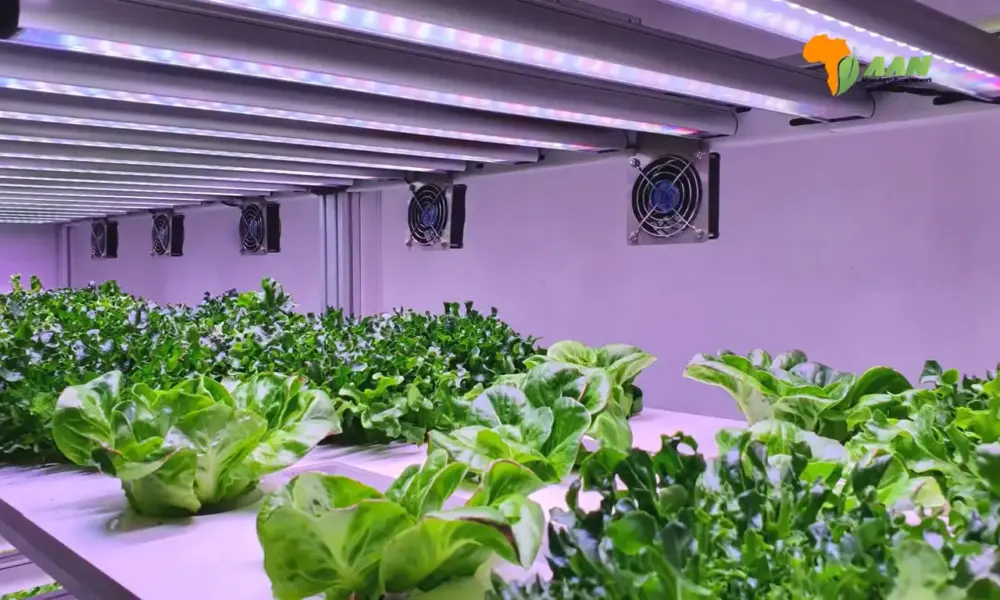
Imagine walking into a farm where plants thrive without touching soil, their roots suspended in mid-air, nourished by a fine mist of nutrients. This isn’t science fiction; it’s aeroponics, one of the most revolutionary farming techniques transforming agriculture in 2026. As global food demand surges and arable land diminishes, this innovative soil-free method offers a sustainable solution that uses up to 95% less water than traditional farming while delivering yields up to 30% higher. Whether you’re a commercial farmer seeking to increase efficiency, an urban gardener maximizing limited space, or simply curious about the future of food production, aeroponics represents a paradigm shift in how we grow our food.
Table Of Content
- What is Aeroponics Farming?
- How Aeroponics Systems Work
- Powerful Benefits of Aeroponics Farming
- Water Conservation at Scale
- Faster Growth and Higher Yields
- Precise Nutrient Control
- Disease Prevention and Reduced Pesticide Use
- Space Efficiency for Urban Farming
- Year-Round Production
- Key Challenges and Considerations
- Initial Investment Costs
- Technical Expertise Required
- Power Dependency and System Reliability
- Continuous Monitoring Needed
- Limited Forgiveness for Errors
- Best Crops for Aeroponics Farming
- Aeroponics Technology in 2026
- Getting Started with Aeroponics
- The Future of Soil-Free Farming
What is Aeroponics Farming?
Aeroponics is a cutting-edge vertical farming technique where plants grow without soil or any growing medium. The term derives from the Greek words “aer” (air) and “ponos” (labor), literally meaning “working with air.” In this system, plant roots hang suspended in a closed or semi-closed environment while being regularly misted with a nutrient-rich water solution.
Unlike traditional farming where roots burrow through soil, or hydroponics where roots sit in water, aeroponic systems expose roots directly to air. This creates optimal conditions for both nutrient absorption and oxygen access—two critical factors for rapid, healthy plant growth.
How Aeroponics Systems Work
The magic of aeroponics lies in its elegant simplicity. Here’s how the system operates:
The Growing Environment: Plants are typically housed in a greenhouse or indoor grow room where environmental conditions can be precisely controlled. Temperature, humidity, and light are optimized for each crop type.
The Root Zone: This is where the innovation happens. Plant roots dangle freely in an enclosed chamber, completely exposed to air. The upper portion of the plant—leaves and crown—extends above the growing structure into the light.
Nutrient Delivery: At regular intervals, a fine mist or spray containing water and essential nutrients coats the suspended roots. This solution includes macronutrients like nitrogen, phosphorus, and potassium, plus vital micronutrients required for healthy development.
The Misting Cycle: Advanced aeroponic systems use automated timers and sensors to deliver nutrient mist at precise intervals. High-pressure systems create ultra-fine droplets that maximize surface contact with roots while minimizing water waste.
Since roots aren’t submerged in water or buried in soil, they receive exceptional oxygen exposure. This direct access to both nutrients and oxygen accelerates growth rates significantly compared to conventional methods.
Powerful Benefits of Aeroponics Farming
Water Conservation at Scale
Aeroponic systems can reduce water usage by up to 95% compared to traditional soil farming methods. In a world where water scarcity threatens agricultural productivity, this efficiency is revolutionary. The closed-loop system recycles water continuously, with minimal loss to evaporation or runoff.
Faster Growth and Higher Yields
Maximum oxygen exposure to roots means plants grow faster and produce more. Research indicates yield increases in aeroponic towers can reach 30% higher than conventional agriculture. Crops that take months in soil can mature in weeks with aeroponics.
Precise Nutrient Control
Farmers have complete control over the nutrient solution composition, pH levels, and delivery timing. This precision eliminates guesswork and ensures plants receive exactly what they need, when they need it, resulting in healthier crops with better flavor and nutritional profiles.
Disease Prevention and Reduced Pesticide Use
Aeroponics offers the advantage of limiting disease transmission since it reduces plant-to-plant contact. Without soil, many common soil-borne pathogens, pests, and diseases are eliminated entirely. This dramatically reduces or eliminates the need for chemical pesticides, producing cleaner, safer food.
Space Efficiency for Urban Farming
Aeroponic systems can be stacked vertically, making them ideal for urban environments where land is scarce and expensive. Vertical tower design allows for dense stacking, enabling production in cities, on rooftops, balconies, or even unused spaces. This brings food production closer to consumers, reducing transportation costs and carbon emissions.
Year-Round Production
Controlled environment agriculture using aeroponics enables consistent, year-round production regardless of external weather conditions. Seasons become irrelevant, and farmers can plan multiple crop cycles annually with predictable outcomes.
Key Challenges and Considerations
While aeroponics offers tremendous advantages, success requires understanding and managing certain challenges:
Initial Investment Costs
Setting up an aeroponic system requires significant upfront capital for infrastructure, including misting equipment, pumps, timers, climate control systems, and monitoring technology. However, operational savings and higher yields often deliver strong returns within two to three years.
Technical Expertise Required
Aeroponics demands more knowledge than traditional farming. Operators must understand nutrient chemistry, pH management, system maintenance, and troubleshooting. However, modern automated systems and monitoring tools are making this increasingly accessible.
Power Dependency and System Reliability
Aeroponic systems rely heavily on stable electricity to power pumps, misters, sensors, and climate controls. Power outages or equipment failures can quickly stress or damage crops since roots dry out rapidly without regular misting. Backup power systems and redundant equipment are essential for commercial operations.
Continuous Monitoring Needed
Unlike soil farming where plants can survive periods of neglect, aeroponic systems require consistent monitoring and maintenance. Automated sensors and alert systems help manage this challenge, but human oversight remains important.
Limited Forgiveness for Errors
Small mistakes in nutrient concentration, pH levels, or misting intervals can have rapid, significant impacts on plant health. The system’s precision is both its strength and its vulnerability—there’s little buffer compared to soil’s natural resilience.
Best Crops for Aeroponics Farming
Not all crops are equally suited to aeroponic cultivation, but many high-value plants thrive in these systems:
Herbs: Basil, cilantro, parsley, mint, oregano, and thyme grow exceptionally well. Their compact size and high market value make them ideal commercial crops.
Leafy Greens: Lettuce, spinach, kale, arugula, and Swiss chard are aeroponic favorites. Fast growth cycles allow multiple harvests annually.
Vegetables: Broccoli, cauliflower, bell peppers, chili peppers, and tomatoes all perform well. Tomatoes grown aeroponically often show enhanced flavor profiles.
Berries: Strawberries are particularly successful in aeroponic towers, producing sweet fruit with minimal pest pressure.
Specialty Crops: Microgreens, edible flowers, and even some medicinal plants thrive under aeroponic conditions, commanding premium prices.
Root vegetables and large grains remain challenging for aeroponic systems, though research continues to expand the range of suitable crops.
Aeroponics Technology in 2026
Modern aeroponic systems integrate cutting-edge technology to maximize efficiency and reliability:
AI and Automation: Sensors continuously monitor root health, nutrient levels, pH, temperature, and humidity. Machine learning algorithms adjust conditions in real-time, optimizing growth while minimizing resource use.
Smart Controls: Automated systems manage nutrient dosing, misting intervals, lighting schedules, and environmental conditions with minimal human intervention.
Vertical Integration: Commercial operations increasingly use modular, stackable towers that can be configured for different crops simultaneously, each with customized growing conditions.
Renewable Energy: Solar panels and wind systems are being integrated to reduce dependency on grid power and enhance sustainability.
Blockchain Traceability: Advanced farms use blockchain technology to track crops from seed to harvest, providing consumers with complete transparency about food origins and growing practices.
Getting Started with Aeroponics
For those interested in exploring aeroponics:
Home Gardeners: Compact aeroponic systems suitable for balconies or kitchens are increasingly available and affordable. These typically accommodate 20-40 plants and provide an excellent introduction to the technology.
Small-Scale Commercial: Modular towers and greenhouse systems offer scalability for restaurants, farmers markets, or community projects seeking local, fresh produce year-round.
Large Commercial Operations: Fully automated vertical farms can produce millions of pounds of crops annually in controlled environments, supplying retail chains and food service operations.
Resources for learning include online courses and manufacturer training programs, and growing communities of aeroponic farmers sharing knowledge through forums and social media groups.
The Future of Soil-Free Farming
As we navigate the challenges of feeding a growing global population amid climate change and resource constraints, controlled environment agriculture using aeroponics enables reliable, on-site food production in challenging or remote areas. From urban rooftops to desert regions to even space stations, aeroponics represents a fundamental reimagining of where and how we produce food.
The technology continues evolving rapidly, with innovations in energy efficiency, crop diversity, system reliability, and cost reduction making aeroponics increasingly accessible. For farmers and agricultural businesses willing to embrace modern techniques, aeroponics offers a pathway to sustainable, profitable, and resilient food production for decades to come.
Whether you’re growing fresh herbs in your kitchen or planning a commercial vertical farm, aeroponics farming stands as proof that sometimes the best way forward is to leave the soil behind and reach for the air.



No Comment! Be the first one.