


Netherlands Food Partnership Pushes East Africa Dairy Agenda
Dairy is one of the most stubbornly underdeveloped sectors in African agriculture, and few organisations understand that gap better than the Netherlands Food Partnership (NFP). Having previously...

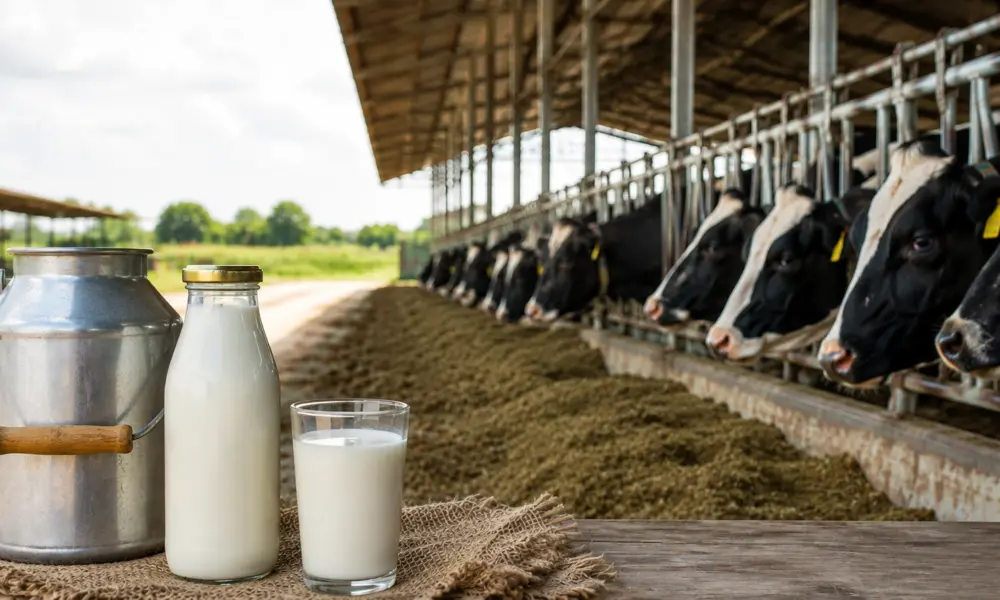
Dairy is one of the most stubbornly underdeveloped sectors in African agriculture, and few organisations understand that gap better than the Netherlands Food Partnership (NFP). Having previously worked to quantify and mobilise a $10 billion investment opportunity in Nigeria’s dairy sector, NFP is now turning its attention east, building an actionable sector agenda for dairy development across Ethiopia, Kenya and Uganda. The effort reflects a broader pattern across African dairy markets: enormous unmet demand, chronic underproduction, and a widening gap that development partners and private investors are racing to close.
Table Of Content
Building a Public-Private Dairy Coalition
NFP has taken the initiative to set up a public-private coalition aimed at accelerating dairy development across East Africa. The coalition is designed to do two things at once: contribute to the sustainable transformation of the region’s dairy sector, and create genuine business opportunities for both international and local private-sector players. Its initial focus rests on three countries, Ethiopia, Kenya and Uganda, chosen for their scale, existing dairy infrastructure and clear potential for growth.
On 14 July, NFP hosted an online webinar to introduce the coalition and lay out the agenda-setting process ahead. According to NFP, the session was well attended, bringing together stakeholders eager to understand how the initiative would take shape. Consequently, the organisation is now moving into its next phase: gathering structured input from the people actually working in the sector.
Why East Africa’s Dairy Sector Needs an Agenda
East Africa’s dairy potential is not new to development circles. Programmes like the Netherlands East African Dairy Partnership (NEADAP) have operated in the region for over a decade, working through Wageningen University & Research, SNV, Solidaridad and Agriterra to tackle challenges around fodder access, milk quality and inclusive business models. Meanwhile, initiatives such as the East Africa Dairy Development programme have shown that smallholder farmers who gain better market access can meaningfully increase their dairy incomes.
However, fragmented projects only go so far. What NFP is attempting with its new coalition is different: a shared, cross-country view of sector priorities rather than isolated interventions. That distinction matters, because dairy value chains in Ethiopia, Kenya and Uganda each face their own mix of constraints, from feed shortages and weak cold-chain infrastructure to limited access to finance and inconsistent milk quality standards.
A Survey to Set the Agenda
To build that shared view, NFP has launched a survey targeting dairy stakeholders across the three focus countries. The goal is straightforward: understand how the industry itself prioritises sector needs, and clarify what role different stakeholders see themselves playing in shaping the coalition’s direction. The survey takes an estimated 20 to 30 minutes to complete, with time varying depending on how many of the three countries a respondent is active in.
Importantly, NFP has committed to anonymising and aggregating responses before analysis, a detail likely to reassure participants wary of sharing sensitive market intelligence. Alongside the survey, NFP has also developed dairy fact sheets for Ethiopia, Kenya and Uganda in partnership with Wageningen University & Research, and is inviting stakeholders to review and feed back on those documents directly.
The Bigger Regional Picture
NFP’s East Africa push is not happening in isolation. Dutch dairy interest in the region has been building steadily; in Ethiopia, for instance, a consortium led by machinery supplier Ante BV recently announced plans for a commercial dairy service and training centre, backed by the Dutch government’s Impact Cluster framework. Ethiopia’s dairy market alone is projected to grow from roughly $1.1 billion in 2025 to $1.7 billion by 2034, underscoring why both development agencies and commercial investors are paying closer attention.
Therefore, NFP’s coalition arrives at a moment when interest in East African dairy is accelerating on multiple fronts at once, from Dutch public funding to private processors and equipment suppliers. Whether that momentum translates into coordinated, sustainable growth, rather than a patchwork of overlapping projects, will depend heavily on efforts like this one: getting stakeholders in the same room, and on the same survey, before the money starts moving.
Getting Involved
For dairy professionals working in Ethiopia, Kenya or Uganda, NFP’s ask is direct: complete the sector priorities survey, and where relevant, review the country-specific dairy fact sheets. Both are described as immediate next steps following the July webinar, and both feed directly into the shared sector agenda NFP intends to publish. For an industry that has long struggled with fragmented interventions, a jointly built agenda, grounded in real stakeholder input, could prove more valuable than any single project on its own.
Disclaimer
Africa Agricultural Network (AAN) is committed to informing and empowering agricultural communities across Africa as per our mandate. This article is intended for informational purposes only.
No Comment! Be the first one.