

How Msingi Poultry Farm Produces Quality Yellow Yolk Eggs in Uganda.
Learn Msingi Farm's secrets to producing Yellow York eggs in Uganda. Daily operations, hygiene protocols, and out grower training model revealed

Introduction
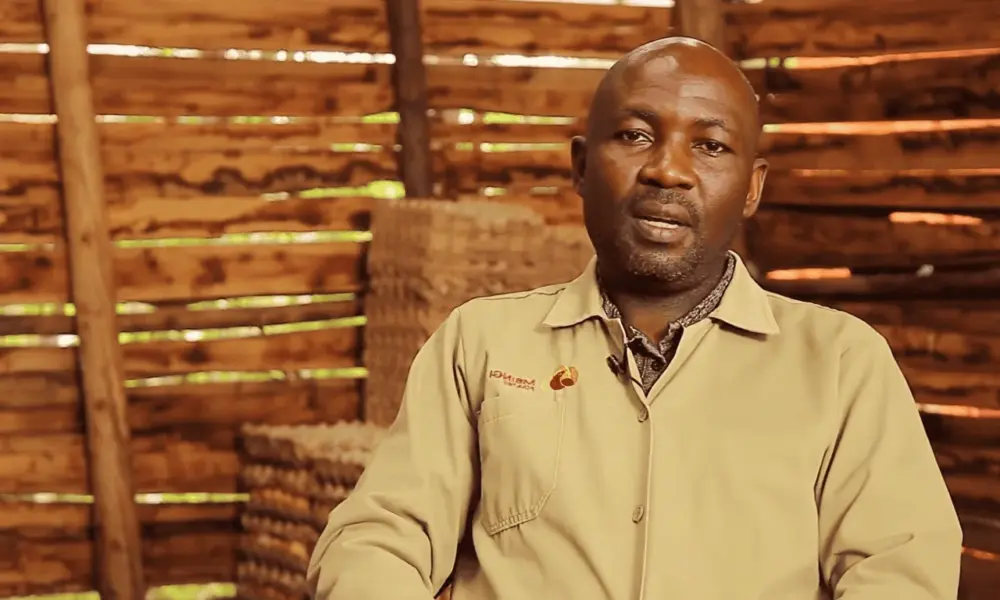
An egg loses 1% of its nutritional value every week after being laid. At Msingi Poultry Farm, eggs aren’t simply produced, they’re crafted with care to deliver maximum nutrition and flavor. Founded by Julius Raymond and Peace Kabugo in September 2018, this innovative enterprise has evolved from a modest 200-bird operation into a thriving business producing 83 trays of premium yellow yolk eggs daily.
Table Of Content
- Introduction
- From 200 Birds to Excellence
- What Sets Msingi Eggs Apart
- Daily Operations Excellence
- The Outgrower Model: Building Excellence Networks
- Revenue Streams Beyond Fresh Eggs
- Target Market and Distribution
- Employment Impact
- Keys to Starting a Successful Poultry Farm
- Future Vision: 2 Million Trays and Beyond
- Conclusion
Msingi has become more than just a poultry farm. After winning UGX 20 million (USD 20,000) in seed funding from the NSSF High Innovator Challenge, the operation pioneered an outgrower model training and supporting farmers nationwide. Their commitment to producing antibiotic-free, nutrient-rich eggs has set new quality standards in Uganda’s poultry industry, proving that world-class egg production is achievable locally.
From 200 Birds to Excellence
Starting Small with Big Dreams
The Msingi journey began with necessity. In 2015, Peace Kabugo returned from maternity leave to find her position eliminated. She and her husband Julius decided to start a small chicken project to boost household income. After analyzing the numbers, they realized 200 birds represented the minimum for profitability.
In December 2018, they launched with 200 broilers. This strategic choice allowed them to test their brooding system, one of poultry management’s most critical aspects. They achieved a remarkable 150% net profit margin on that first batch, prompting them to scale up significantly.
Rapid Expansion and Impact
Today, Msingi Farm operates 3,500 laying birds producing approximately 83 trays daily. Their impact extends far beyond their own operation. Through their outgrower program, they’ve helped launch over 30 farms and currently collaborate directly with 14 farms to elevate farming practices. Their weekly output reaches 1,500 trays to meet growing market demand.
The name “Msingi” comes from Swahili, meaning “foundation”—perfectly capturing their mission of building a base for quality poultry farming across Uganda.
What Sets Msingi Eggs Apart
Antibiotic-Free Production
Msingi’s most distinctive feature is their antibiotic-free approach. Julius Kabugo hasn’t purchased antibiotics since learning about their harmful effects on human health. When chickens receive antibiotics, eggs laid within 4-7 days shouldn’t be consumed by humans, a precaution most Ugandan farms ignore.
Instead, Msingi focuses on prevention through exceptional hygiene and biosecurity. Diseases rarely occur on their farm, eliminating the need for antibiotics entirely.
The Secret to Yellow Yolks
The distinctive yellow color in Msingi eggs indicates superior nutritional content. As Peace Kabugo explains, “You can even boil it and eat it without salt because it has all the nutrients the egg should have.” That deep yellow color signals high levels of vitamins, minerals, and nutrients that pale yolks simply cannot match.
This quality stems from careful attention to bird health and nutrition. Every bird receives proper feed, clean water, and optimal living conditions. The eggs reflect this superior care in both taste and nutritional value.
Daily Operations Excellence
Starting at 4 AM
At Msingi Farm, all operations begin at 4 AM daily. A strict protocol governs every worker’s routine. First, workers disinfect themselves before entering the premises. Then, before touching anything, they walk through the entire house observing the birds.
They check if all birds are alive, healthy, and note any changes since the previous evening. This careful observation enables early problem detection, allowing issues to be addressed immediately before escalating.
Hygiene as Disease Prevention
Msingi’s hygiene standards are exceptional. Feed trays are cleaned and disinfected twice daily—before morning feeding and again later. Water systems undergo thorough checks to ensure every nipple functions properly. The entire environment receives regular disinfection to eliminate bacteria and viruses.
According to the Food and Agriculture Organization (FAO), proper biosecurity significantly reduces poultry disease outbreaks. Msingi’s success proves this principle works in practice.
Individual Bird Attention
Unlike large-scale operations where birds are simply numbers, Msingi ensures each bird receives individual attention. If any bird shows illness signs, it’s immediately isolated and treated before returning to production. This personalized approach maintains flock health without relying on preventive antibiotics.
The Outgrower Model: Building Excellence Networks
Training and Support System
Msingi’s outgrower program represents their commitment to transforming Uganda’s poultry industry. They don’t just sell day-old chicks and wish farmers luck—they provide comprehensive support throughout the farming journey.
Before signing agreements, Msingi trains farmers’ workers for a minimum of one month. Workers live on Msingi Farm for up to two months, learning every aspect of farm management. Only when trainers confirm workers are self-sufficient do they release them to new farms.
Quality Control Measures
To maintain consistent quality across all out grower farms, critical inputs are controlled. Farmers cannot buy their own feed, Julius orders and delivers feed directly to ensure everyone uses the same quality nutrition. If a farm doesn’t order feed for a week, Julius immediately investigates.
This hands-on approach has produced remarkable results. Miria Kaita’s farm on Mwanda Road recently brooded birds with almost zero losses, prompting Julius to declare her farm a “center of excellence” for brooding.
Centers of Excellence
Julius identifies farmers who excel in specific areas and designates them as training centers. One farmer has mastered financial management despite not being an accountant, now teaching others about poultry farm finances. Another farmer excels at brooding and trains others in that critical skill.
Knowledge spreads throughout the network without everything depending on Julius alone. This peer-to-peer learning strengthens the entire system.
Revenue Streams Beyond Fresh Eggs
Powdered Eggs for Export
To position for international markets, Julius is venturing into powdered eggs. This product offers several advantages: easier transport than fragile fresh eggs, plus a shelf life of 5-10 years compared to weeks for liquid eggs. This opens export opportunities that fresh eggs cannot provide.
Biogas Production
Msingi operates a locally-made biogas plant converting chicken waste into clean cooking energy. This reduces operational costs while providing environmentally friendly fuel, demonstrating their commitment to sustainable farming practices.
Organic Fertilizer
Chicken manure is covered in sawdust, which serves two purposes: sawdust’s high absorbency keeps the environment dry, and it extracts ammonia from waste, protecting bird health. This mixture goes into a solar dryer for 2-3 days before being packaged and sold to farmers as organic fertilizer.
According to research from Penn State Extension, properly composted poultry manure provides excellent soil nutrients for crop production. Msingi’s fertilizer represents valuable income while solving waste management challenges.
Target Market and Distribution
Finding Quality-Conscious Customers
While every Ugandan potentially needs eggs, Julius targets specific niches: bakeries, fortified food manufacturers, and snack makers. These customers appreciate and pay premium prices for quality eggs.
Msingi receives weekly orders for 1,500 trays. Their farm alone produces only 530 trays weekly—the outgrower network fills this gap, collectively meeting market demand while maintaining consistent quality standards.
Employment Impact
Creating Youth Opportunities
Msingi currently employs 25 people, all under age 30. Each outgrower farm creates additional employment opportunities. As Julius explains, “I want to use this passion not just for my own gain but to confront social challenges, especially unemployment in our country.”
Julius addresses Uganda’s youth unemployment while building a sustainable agribusiness model. Employees receive thorough training in poultry management, giving them valuable skills for future opportunities.
Keys to Starting a Successful Poultry Farm
Based on Julius’ experience, several factors determine success:
- Understand You’re Managing Life: Poultry farming requires daily commitment and attention. Prepare for early mornings and consistent care.
- Follow Expert Guidelines: Work with reliable day-old chick suppliers and follow their recommendations. Don’t improvise on critical protocols.
- Plan for Delayed Returns: Money invested in poultry isn’t instant. Birds must mature and begin production. Ensure adequate working capital.
- Develop Standard Operating Procedures: Julius has documented manuals covering every farm task. Even new workers can perform effectively by following established procedures.
- Prioritize Biosecurity: Prevention through hygiene costs less than treating diseases while producing healthier birds and safer eggs.
Future Vision: 2 Million Trays and Beyond
Julius has ambitious plans for coming years. They aim to produce 2 million trays annually by the end of 2025, and plan to manufacture cosmetics and other egg-based products by that same deadline.
More importantly, they’re proving that “Made in Uganda” can mean world-class quality. As Peace Kabugo notes, “Normally when we talk about quality in Uganda, it’s related to coming from outside, but today we have proven it can be done here.”
Conclusion
Msingi Poultry Farm demonstrates that exceptional quality, sustainable practices, and profitable business can coexist. By training other farmers and maintaining rigorous standards, they’re elevating Uganda’s entire poultry industry. Their journey from 200 birds to a thriving network of farms proves that dedication, proper systems, and quality focus yield remarkable results.
For aspiring poultry farmers, the Msingi model offers a proven blueprint: start with solid biosecurity practices, invest in proper training, and never compromise on bird health. The quality will speak for itself in every golden yolk..
watch the video here;

No Comment! Be the first one.